
In the ever-evolving landscape of digital marketing, businesses often find themselves at a crossroads when deciding between Search Engine Optimization (SEO) and Pay-Per-Click (PPC) advertising. Both strategies play crucial roles in search engine marketing, but which one should you prioritize for your business? In this article, we’ll delve into the strengths and weaknesses of SEO and PPC to help you make an informed decision.

Summary
SEO delivers long-term, cost-effective visibility and credibility but requires time, ongoing effort, and adaptation to algorithm changes, while PPC provides immediate, targeted, and measurable results that stop when the budget stops and can be costly. Choose SEO for sustained growth, authority building, and budget-conscious strategies; choose PPC for launches, seasonal pushes, and market testing. The strongest approach often combines both: use PPC to gather keyword insights, boost brand visibility, and remarket while SEO builds durable organic presence. Ultimately, align your mix with goals, budget, and timelines, and continually evaluate performance.
What is SEO?
SEO, or Search Engine Optimization, is the practice of optimizing your website to rank higher in search engine results pages (SERPs). The ultimate objective is to enhance organic (non-paid) traffic to your site. SEO involves multiple strategies, each playing a pivotal role in improving site visibility.
Keyword Research
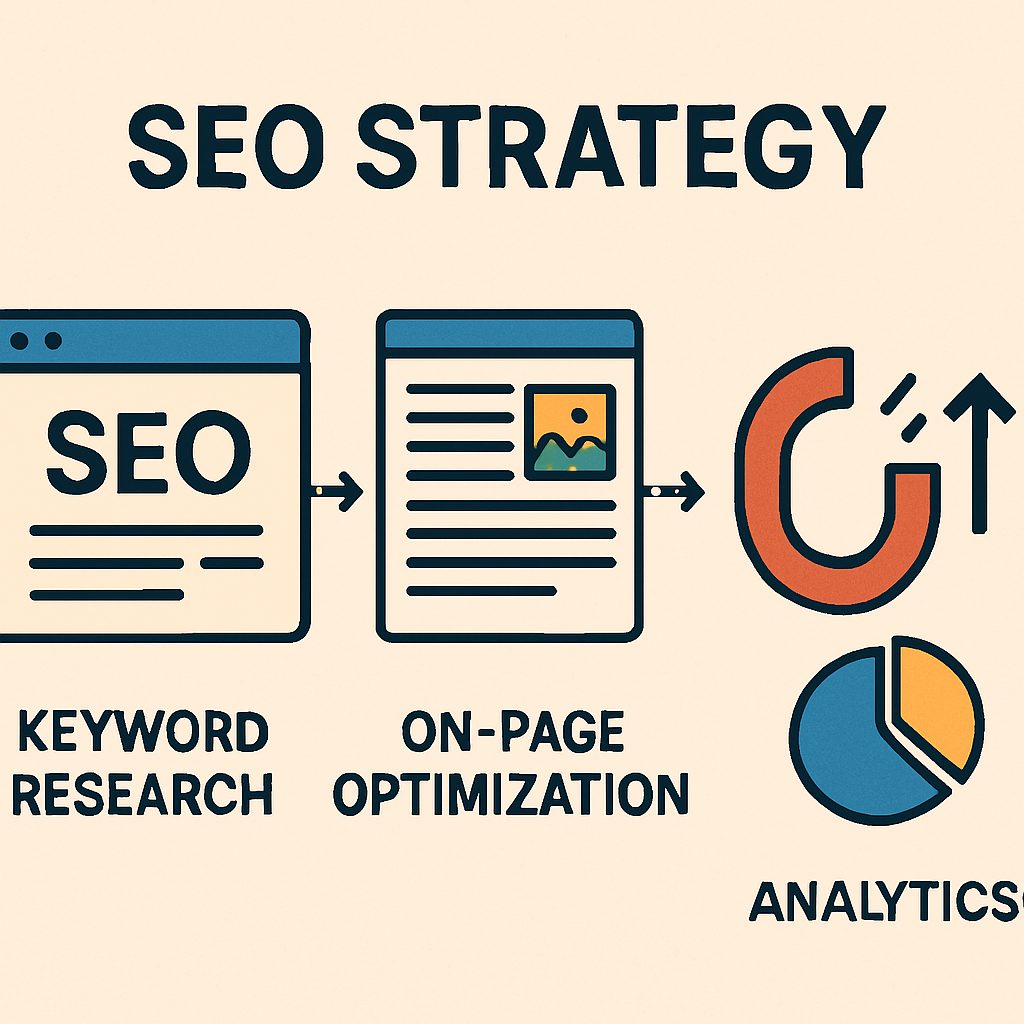
Keyword research is the foundation of SEO. It involves identifying the terms and phrases potential customers use to find products or services like yours. Tools like Google Keyword Planner and SEMrush can be invaluable in discovering these keywords. By targeting the right keywords, you ensure your content aligns with what users are searching for, improving your chances of ranking higher.
Content Optimization
Content is king in the world of SEO. This involves creating high-quality, relevant, and engaging content that satisfies user intent. It also means strategically incorporating keywords, optimizing meta tags, and using proper headers. Content optimization ensures that search engines understand the context of your pages, making it easier for them to rank you appropriately.
Backlink Building
Backlinks are like votes of confidence from other websites. When reputable sites link to yours, it signals to search engines that your content is valuable. Building a robust backlink profile involves outreach, guest blogging, and creating shareable content. The more quality backlinks you have, the more authoritative your site appears, boosting your SEO efforts.
What is PPC?
PPC, or Pay-Per-Click, is a form of online advertising where you pay a fee each time one of your ads is clicked. It is a powerful tool for driving immediate traffic and can be highly targeted.
Platform Variety
While Google Ads is one of the most popular PPC platforms, it is not the only option available. Platforms like Bing Ads, Facebook Ads, and LinkedIn Ads also offer PPC opportunities. Each platform has its strengths, and the choice depends on where your target audience spends their time online.
Bidding Strategies
PPC involves bidding on keywords, but it’s more than just offering the highest price. Effective bidding strategies consider factors like quality score, ad relevance, and competition. Automated bidding strategies can help optimize your spending by adjusting bids in real-time, ensuring you get the most value for your investment.
Ad Copy and Design
Creating compelling ad copy and design is crucial in PPC. Your ads need to grab attention and entice users to click. This involves crafting a clear call-to-action, using engaging visuals, and aligning your ad copy with the user’s search intent. A/B testing different ad variations can help determine what resonates best with your audience.
The Pros and Cons of SEO
Pros of SEO
SEO offers numerous long-term benefits that can significantly impact your business.
Cost-Effective in the Long Run
Once you achieve a good ranking, maintaining it requires less ongoing investment compared to PPC. While SEO involves initial costs in terms of time and resources, its long-lasting effects can result in a high return on investment. Over time, the cost per acquisition can decrease as organic traffic grows.
Credibility and Trust
Users often trust organic search results more than paid ads, which can enhance your brand’s credibility. Appearing at the top of organic search results signifies authority and reliability, making users more likely to choose your brand over competitors. Building this trust can lead to higher conversion rates and customer loyalty.
Sustainable Traffic
SEO can provide a steady stream of traffic over time, even if you pause your efforts temporarily. Unlike PPC, where traffic stops once you halt your ads, SEO ensures continuous visibility. This sustainability makes SEO a valuable asset for businesses seeking long-term growth and stability.
Cons of SEO
While SEO has many advantages, there are also challenges that need to be addressed.
Time-Consuming
SEO is a long-term strategy that requires time and patience to see significant results. It involves ongoing efforts to maintain and improve rankings, and the competitive nature of search engines means that results are not instantaneous. Businesses need to be prepared for a marathon rather than a sprint.
Algorithm Changes
Search engines frequently update their algorithms, which can affect your rankings. Staying updated with these changes is crucial to maintaining your position. Sometimes, algorithm updates can negatively impact your rankings, requiring you to adapt your strategies quickly to regain lost ground.
Competitive Landscape
Certain industries have high competition, making it challenging to rank for popular keywords. Competing against established brands with strong SEO profiles can be daunting. It requires creativity, persistence, and sometimes focusing on niche or long-tail keywords to carve out your space in the market.
The Pros and Cons of PPC
Pros of PPC
PPC offers unique advantages that can be particularly beneficial for certain business goals.
Immediate Results
PPC campaigns can generate traffic as soon as they are launched. This immediacy is ideal for businesses looking to boost visibility quickly, such as during a product launch or a seasonal promotion. The ability to drive traffic on-demand is one of PPC’s most compelling benefits.
Targeted Advertising
You can target specific demographics, locations, and even times of day to reach your ideal audience. PPC platforms allow granular targeting, ensuring your ads are shown to the most relevant users. This precision maximizes the chances of conversions and optimizes your advertising spend.
Measurable ROI
PPC provides detailed analytics, allowing you to track conversions and optimize your campaigns for better results. The transparency of PPC metrics means you can see exactly how your investment translates into results. By analyzing these insights, you can refine your strategies to improve performance continually.
Cons of PPC
Despite its benefits, PPC has drawbacks that must be considered.
Costly
PPC can become expensive, especially in competitive industries with high-cost keywords. As competition increases, so do bid prices, potentially leading to higher costs without guaranteed conversions. Budget management is crucial to avoid overspending and ensure a positive return on investment.
Temporary Traffic
Once you stop paying for ads, the traffic stops. This reliance on continuous spending means that PPC can be unsustainable for businesses with tight budgets. The transient nature of PPC traffic necessitates careful planning to maintain momentum and avoid sudden drops in visibility.
Ad Blindness
Some users consciously ignore paid ads, preferring to click on organic results. This phenomenon, known as ad blindness, can reduce the effectiveness of your PPC campaigns. Crafting ads that stand out and resonate with your audience is essential to combat this challenge.
When to Choose SEO
If you’re focused on building a sustainable online presence and are willing to invest time and resources for long-term benefits, SEO is the way to go.
Establishing Authority
SEO is ideal for businesses looking to establish authority and credibility in their industry. By consistently producing valuable content and achieving high rankings, your brand can become a trusted source of information, enhancing your reputation and attracting loyal customers.
Cost Management
For businesses with limited budgets, SEO offers a cost-effective way to build visibility over time. The investment in SEO is gradual and accumulative, making it more manageable for small businesses or startups. As organic traffic grows, the need for paid advertising can decrease, freeing up resources for other initiatives.
Long-Term Growth
Businesses seeking sustainable growth should focus on SEO. The long-term benefits of a well-executed SEO strategy can provide a competitive edge and ensure continued relevance in the digital landscape. As your content matures and gains traction, the resulting traffic can lead to increased conversions and revenue.
When to Choose PPC

by Xennie Moore (https://unsplash.com/@shadowseas)
PPC is perfect for businesses that need immediate visibility and traffic.
Product Launches
It’s also beneficial for launching new products, promoting limited-time offers, or testing market responses. PPC allows you to quickly put your product in front of a large audience, generating interest and driving initial sales. This immediacy can be crucial for capturing market share in competitive industries.
Seasonal Promotions
For businesses with seasonal products or services, PPC is an effective way to capitalize on peak periods. By increasing visibility during high-demand times, you can maximize sales and make the most of seasonal opportunities. PPC campaigns can be tailored to specific events or holidays, ensuring your ads reach the right audience at the right time.
Market Testing
PPC is an excellent tool for testing new markets or audiences. By launching targeted campaigns, you can gather valuable insights into customer behavior and preferences. This data can inform broader marketing strategies and help refine your overall approach to different segments.
A Balanced Approach: Combining SEO and PPC
While SEO and PPC have their own merits, combining both strategies can offer the best of both worlds. Here’s how:
Keyword Insights
Use PPC campaigns to test and identify high-performing keywords, then integrate these keywords into your SEO strategy for organic growth. PPC provides immediate feedback on keyword performance, helping you understand which terms drive the most traffic and conversions. Incorporating these insights into your SEO efforts can enhance your organic reach.
Brand Visibility
PPC can ensure your brand appears at the top of search results while you work on improving your organic rankings through SEO. This dual presence maximizes visibility and increases the likelihood of capturing user attention. By dominating both paid and organic spaces, you reinforce brand recognition and trust.
Remarketing Strategies
Use PPC for remarketing campaigns to re-engage users who previously visited your site but didn’t convert. Remarketing allows you to target users with tailored ads, encouraging them to return and complete a purchase. This strategy can significantly improve conversion rates and maximize the value of your initial SEO efforts.
Conclusion: Which Strategy Wins?
The decision between SEO and PPC isn’t necessarily about choosing one over the other. Instead, it’s about understanding your business goals, budget, and timeline.
Aligning Strategies with Business Goals
SEO offers long-term growth and credibility, while PPC provides quick wins and precise targeting. By leveraging both strategies, you can maximize your online visibility and drive meaningful results. Aligning your choice with your business objectives ensures you make the most of your marketing efforts.
The Integrated Approach
In the end, the “winner” is the strategy that aligns best with your business objectives. An integrated approach, where SEO and PPC complement each other, often yields the most effective results in the competitive world of digital marketing. By combining the strengths of both strategies, you can achieve a comprehensive and robust online presence.
Continuous Evaluation
Regularly evaluate the performance of your SEO and PPC efforts to ensure they align with your evolving business needs. Digital marketing is dynamic, and strategies need to adapt to changes in the market and consumer behavior. By staying agile and informed, you can optimize your approach and maintain a competitive edge.