
AI is reshaping the landscape of search engine optimization. It offers new ways to enhance online visibility.
Understanding AI’s role in SEO is crucial for digital success. It helps businesses reach their target audience more effectively.
AI visibility SEO best practices are essential for staying competitive. They ensure your content ranks well in search results.
These practices involve leveraging AI tools and techniques. They help optimize content for AI-driven search engines.
SEO techniques have evolved with AI advancements. They now include voice search optimization and structured data usage.
AI can analyze vast amounts of data quickly. This capability uncovers trends and opportunities in SEO strategies.
Personalization in search results is another AI-driven benefit. It tailors content to user preferences, improving engagement.
By adopting AI visibility SEO best practices, businesses can boost their online presence. This leads to increased organic traffic and conversions.
Key Takeaways AI is reshaping SEO around user intent, structured data/entity optimization, and strong technical foundations (speed, mobile, crawlability). Prioritize high-quality, E-E-A-T-backed content, optimize for voice/conversational and local search, and strengthen off-page signals like citations and brand mentions. Leverage AI tools for research, automation, and analytics to enable continuous monitoring and improvement while avoiding pitfalls such as over-automation, privacy lapses, and thin content. Looking ahead, deeper personalization and predictive analytics will further shape AI-first visibility.
Summary This guide explains how AI is transforming SEO and the practices that improve AI-driven visibility: align content with user intent, implement structured data and entity optimization, and uphold E-E-A-T with high-quality, user-centric content. It emphasizes technical excellence (speed, mobile, crawlability), optimization for voice/conversational and local search, and the use of AI tools for research, automation, and analytics to drive continuous improvement. Off-page reputation, citations, and brand mentions remain key, while common pitfalls (over-automation, weak privacy, low-quality content) should be avoided. Looking ahead, personalization, predictive analytics, and voice search will further shape AI-first SEO.
Understanding AI Visibility in SEO
Artificial intelligence is changing how search engines operate. It allows for more intelligent and nuanced indexing.
Understanding AI visibility in SEO begins with recognizing AI’s capabilities. AI interprets and ranks content by context and relevance.
Key Aspects of AI in SEO
- Contextual Understanding: AI uses Natural Language Processing to comprehend content meaning.
- Personalization: AI personalizes user experiences based on past interactions and preferences.
- Data Insights: AI analyzes vast datasets, providing insights into user behaviors and trends.
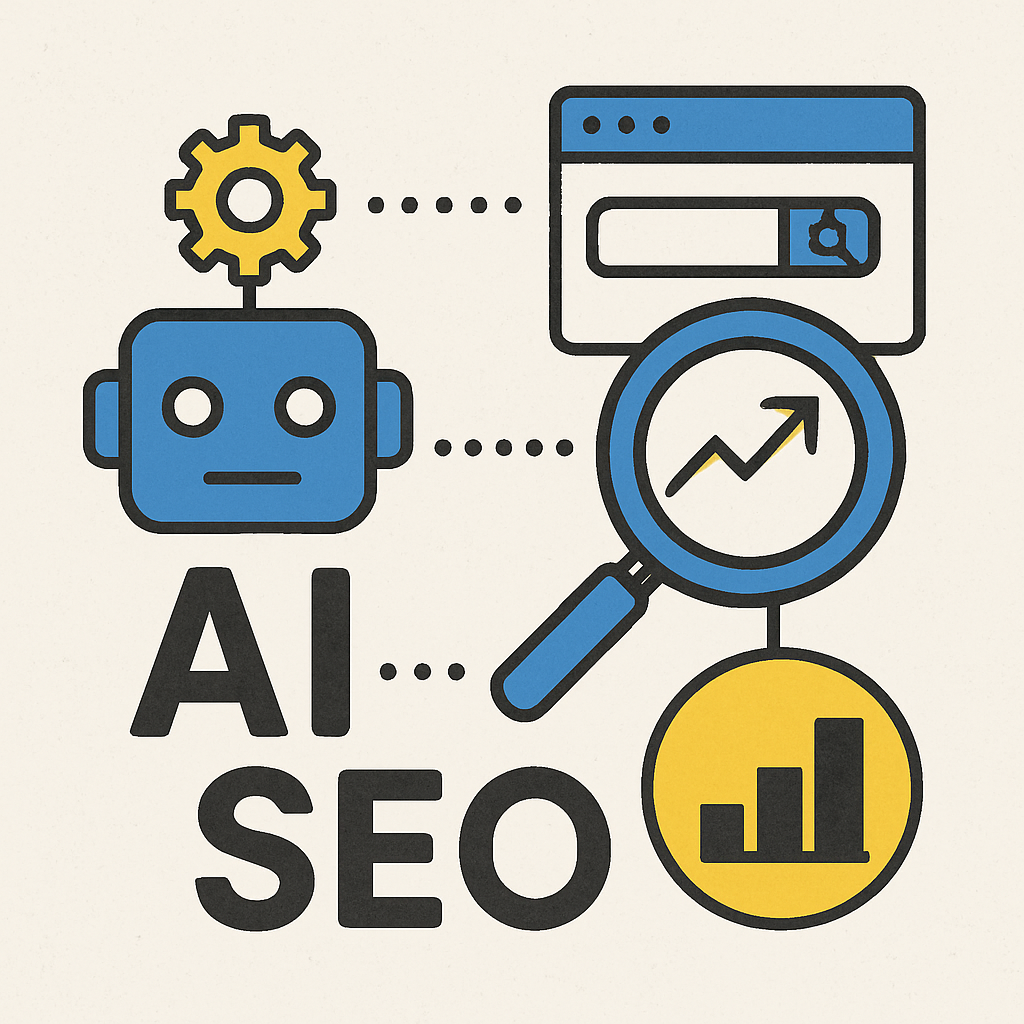
Search engines use AI to deliver more relevant search results. This helps users find accurate answers faster.
AI visibility focuses on optimizing content using AI-driven analysis. This means creating content that AI can easily interpret.
Structured data and schema markup aid AI in understanding page context. These tools ensure content gets indexed effectively.
Businesses must adapt to AI visibility techniques for better online presence. It requires a strategic approach to content and SEO.
How AI is Transforming Search Engine Optimization
AI’s impact on search engine optimization is profound. It revolutionizes how marketers approach SEO strategies.
AI processes data at incredible speeds. This allows for real-time analysis of website performance and user behavior.
Search engines use AI for ranking algorithms. They prioritize content by relevance, quality, and user intent.
AI provides deeper insights into keyword strategies. It identifies trends and opportunities previously unnoticed by traditional tools.
Benefits of AI in SEO
- Enhanced Keyword Research: AI predicts search patterns.
- Improved Content Creation: AI aids in understanding audience needs.
- Efficiency: AI automates tedious tasks, saving time.
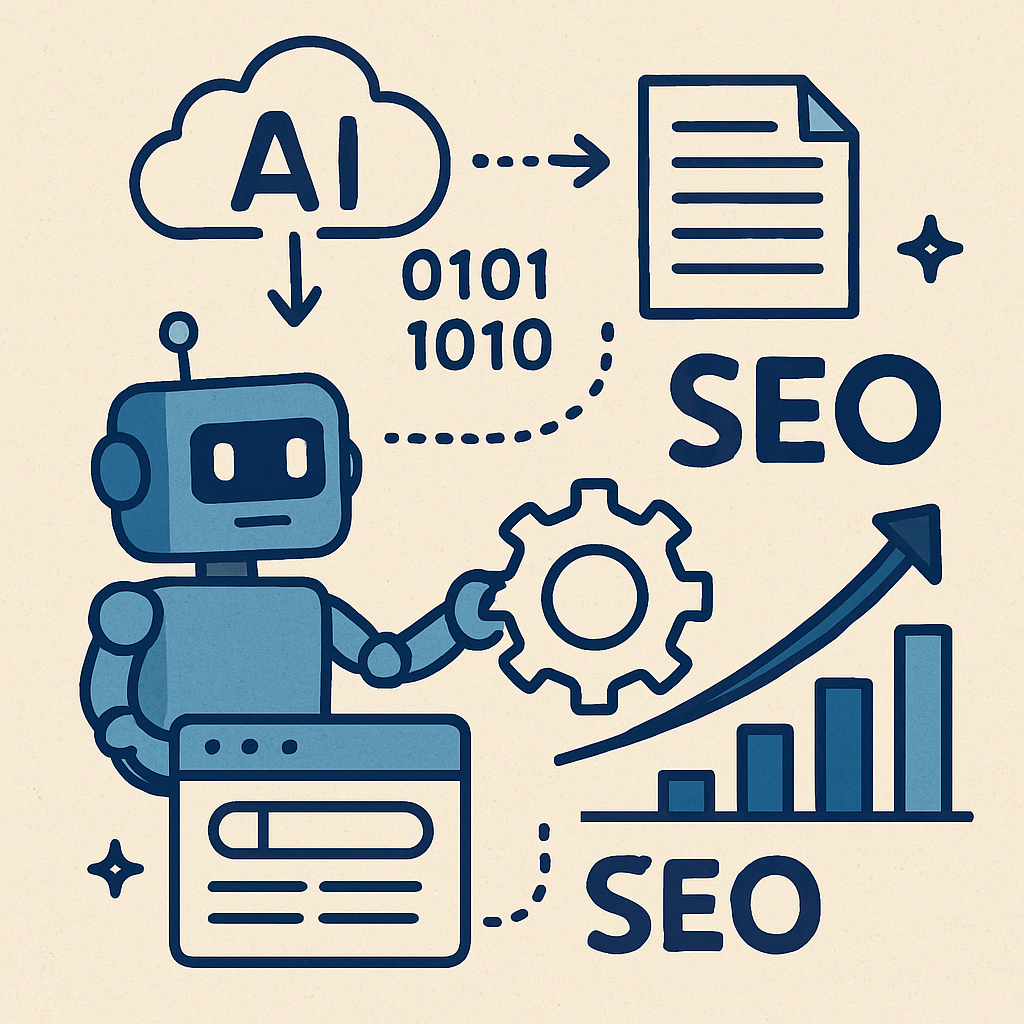
AI optimizes voice search by understanding conversational language. This is crucial as voice search grows in popularity.
Machine learning enhances personalization by analyzing user interactions. This ensures search results match personal preferences.
Data-driven decisions in SEO are now commonplace. AI provides analytics that guide strategic planning and optimization.
The adaptability of AI means SEO must evolve too. Keeping up with AI advancements ensures competitive advantage.
AI’s capabilities reduce the margin for errors in SEO strategies. Constant monitoring leads to more precise adjustments.
Marketers embracing AI find new ways to connect with audiences. AI enables insightful, efficient SEO processes.
Key SEO Techniques for AI Visibility
To boost AI visibility, specific SEO techniques must be deployed effectively. Understanding user intent ranks high on the list.
Algorithms driven by AI favor content matching user needs. Researching and optimizing for keywords that reflect user intent is essential.
Engaging content remains crucial for keeping visitors on your site longer. Quality content is key, as AI distinguishes high-value text.
Essential SEO Techniques for AI
- User Intent Analysis: Dive deep into user needs.
- Keyword Optimization: Focus on long-tail keywords.
- Content Quality: Regular updates and relevance.

Improving SEO through AI
Machine learning improves keyword research by identifying patterns. AI tools forecast which keywords will trend in the near future.
Schema markup is another vital area. It helps AI understand your site’s content structure, enhancing search result visibility.
Technical SEO should not be overlooked. AI tools now assist in ensuring proper indexing and fast page loads.
- Schema Utilization: Implement schema correctly.
- Technical SEO: Focus on indexing and performance.
- Analytics Monitoring: Use AI for deep insights.
Moreover, AI facilitates personalized content delivery. This enhances user engagement and improves rankings.
The evolution of voice search requires specific strategies. Optimizing content for conversational searches matters more now.
Local SEO benefits from AI by focusing on geotargeted content. Creating content relevant to specific locations can boost visibility.
Lastly, ethical considerations should guide AI-driven SEO practices. Respecting data privacy and avoiding manipulative tactics are vital.
In summary, leveraging these SEO techniques can significantly enhance AI visibility. Continuous adaptation to emerging technologies is vital for success.
Optimizing Content for AI-Driven Search Engines
In the era of AI, content optimization takes on new dimensions. AI-powered search engines prioritize user-centric content.
Focusing on natural language and clarity is essential. AI uses natural language processing (NLP) to analyze content relevance.
Strategies for Optimizing AI-Friendly Content
- Simplified Language: Write naturally, not with jargon.
- Relevance & Engagement: Make content useful and interesting.
To stay ahead, regularly update content. Freshness signals to AI that your site is active and current.
Tailoring content to different devices is increasingly important. AI-driven engines prefer mobile-friendly content.
Checklist for Device Optimization
- Responsive Design: Ensure flawless mobile access.
- Content Accessibility: Provide easy navigation on all devices.

Understanding the AI ranking criteria helps tailor content. Beyond keywords, AI examines content structure and readability.
Structured headings and subheadings improve AI comprehension. Formatting content to enhance readability is crucial.
Multimedia optimization should not be ignored. AI excels at interpreting visual and audio content, making it a valuable asset.
Moreover, engagement metrics like time on page are critical. These metrics influence how AI perceives content value.
Creative and compelling calls to action (CTAs) encourage interactions. These interactions help AI gauge content significance.
Finally, consistency in content tone and style builds authority. AI recognizes websites with a coherent voice, boosting rankings.
In conclusion, optimizing content for AI includes multiple strategies. A multifaceted approach is critical for success in AI-driven searches.
Structured Data, Schema Markup, and Entity Optimization
Integrating structured data into your website is key for AI visibility. It helps search engines understand the context of your content better.
Schema markup offers detailed descriptions of your pages. This facilitates AI’s ability to interpret and represent this data accurately.
Entities are identifiable components within your content. By optimizing them, you enhance clarity and relevance.
Implementing structured data can improve how your site appears in search results. Rich snippets and enhanced SERP features are just a start.
Benefits of Structured Data and Schema Markup
- Enhanced SERP Results: Gain visibility with rich snippets.
- Improved Content Understanding: Aid AI in content interpretation.
Applying schema correctly impacts search engine algorithms positively. Different schemas suit various content types like articles or products.
Despite structured data’s technical aspect, its application isn’t overly complex. Many content management systems offer plugins for easy schema integration.

Choosing the right schema is vital. Select the most appropriate to describe content accurately and completely.
Regularly update your structured data. AI algorithms and search engines are constantly evolving, and keeping structured data current is essential.
Testing schema markup through validation tools ensures proper implementation. Such tools quickly identify errors needing correction.
In summary, structured data, schema markup, and entity optimization bring clarity to your content. These practices enhance your site’s AI visibility, crucial in today’s SEO landscape.
Leveraging AI Tools for SEO Success
AI tools are revolutionizing how SEO strategies are developed and implemented. They offer deep insights that were once difficult to obtain.
These tools analyze vast amounts of data rapidly. This allows marketers to make informed decisions quickly.
Utilizing AI tools can automate tedious SEO tasks. Tasks like keyword research, content optimization, and competitor analysis can be streamlined.
Several advanced AI tools focus on specific SEO areas. For instance, some tools excel at identifying content gaps, while others help optimize for voice search.
Key Benefits of Using AI Tools in SEO
- Efficient Data Analysis: Process large datasets effortlessly.
- Automation: Simplifies time-consuming SEO tasks.
- Predictive Insights: Anticipate trends and changes.
AI tools are also adept at identifying trends and opportunities. This predictive capability allows businesses to stay ahead in the competitive SEO landscape.

Machine learning algorithms play a crucial role. They help in understanding user behavior and refining SEO strategies accordingly.
Adopting AI tools aligns with modern SEO best practices. This integration ensures businesses are not only current but positioned for long-term success.
Flexibility in using these tools cannot be understated. Different tools can be tailored to fit unique business needs, providing a customized SEO approach.
Incorporating AI tools requires ongoing education. Understanding new technologies ensures you’re leveraging these tools to their full potential.
Voice Search, Conversational Queries, and Long-Tail Optimization
The rise of voice search has significantly impacted SEO strategies. People now use conversational queries more frequently than ever.
Optimizing for voice search requires understanding natural language. This includes phrases and questions common in everyday conversations.
Long-tail keywords play a crucial role in this optimization. They tend to be more specific, mirroring how users speak.
Strategies for Voice Search Optimization
- Use Natural Language: Mimic human speech in your content.
- Focus on Question Phrases: Answer common questions directly.
- Incorporate Conversational Keywords: Include long-tail keywords related to your topic.
The specificity of long-tail keywords often results in higher conversion rates. Users have clearer intent when using longer search phrases.

AI technologies enhance understanding of these queries. By processing natural language effectively, AI can improve search accuracy.
To optimize for voice search, it is essential to create content that answers likely spoken queries. This approach aligns content with the way users naturally interact with search engines.
Investing in this optimization can enhance visibility. As voice technology becomes more widespread, staying relevant depends on adapting to these changes.
E-E-A-T: Building Trust and Authority for AI Visibility
E-E-A-T stands for Experience, Expertise, Authoritativeness, and Trustworthiness. These elements are key for gaining AI visibility in search results.
Search engines prioritize content that demonstrates high levels of these qualities. Building E-E-A-T ensures that content is not only visible but credible.
Experience is about showcasing real-world engagement with the subject. Readers value insights backed by firsthand interactions.
Expertise comes from showing deep knowledge and proficiency. Well-researched content with accurate information boosts authority.
Authoritativeness relies on establishing a strong presence. This involves being a recognized leader or voice in your field.
Trustworthiness emphasizes reliability and integrity. Transparent content builds user trust and improves search rankings.
Focus Areas for Enhancing E-E-A-T
- Credible Sources: Use well-established and reputable references.
- Detailed Author Bios: Highlight qualifications and background.
- User Testimonials: Include reviews and feedback to build trust.
Leveraging E-E-A-T principles can significantly impact AI’s evaluation of your content. Demonstrating quality across these areas will support sustained SEO success without compromising user confidence.
Technical SEO Best Practices for AI Visibility
Technical SEO is the backbone of online visibility. It ensures search engines can efficiently find and index your website.
AI emphasizes the need for seamless technical optimization. To stand out, focus on cutting-edge strategies and best practices.
A crucial aspect of technical SEO is ensuring rapid page loading. Slow pages frustrate users and AI-driven engines avoid them.
Another key factor is mobile optimization. As mobile searches dominate, make sure your website looks great on all devices.
For improved AI visibility, the website structure is vital. Organize content intuitively to ensure easy navigation and indexing.
Core Technical SEO Components
- XML Sitemaps: Help search engines index content efficiently.
- Robots.txt Files: Control which pages crawlers access.
Using Schema Markup is also instrumental. It provides context, helping AI understand and display your content correctly.
Quick Tips for Enhancing Technical SEO
- Secure Website: Use HTTPS for security and trust.
- Breadcrumbs: Improve navigation and help crawlers understand site hierarchy.
Regular audits uncover potential issues. Adjust and update often to keep your SEO strong.

Technical excellence forms the foundation for AI success. Follow these best practices to support seamless indexing and improved online presence.
Off-Page SEO: Citations, Brand Mentions, and Reputation Management
Off-page SEO extends beyond your website to the wider internet. It focuses on building the site’s reputation and authority.
Citations are references to your business on other sites. They include consistent and accurate NAP (Name, Address, Phone) information.
Brand mentions play a crucial role in building credibility. Both linked and unlinked mentions can impact your site’s reputation positively.
Reputation management ensures your brand is perceived positively online. This involves monitoring reviews and responding thoughtfully to feedback.
Managing your online reputation requires proactive strategies. Engage with your audience through social media to foster a positive brand image.
Effective Off-Page SEO Strategies
- Quality Backlinks: Foster partnerships and collaborations for authoritative links.
- Influencer Engagement: Partner with influencers to reach broader audiences.
A good reputation aids AI-driven search engines. They use these signals to evaluate and rank your site.
Monitoring tools help track off-page signals. Use these insights to enhance visibility continuously.

Focus on building a strong brand presence. This off-page effort enhances your AI visibility and search rankings.
Local SEO and AI: Optimizing for Location-Based Searches
Local SEO helps businesses connect with customers in their area. AI enhances this by interpreting location data more effectively.
Search engines use AI to understand search queries’ local intent. This helps deliver location-specific results to users.
Incorporating local keywords is crucial. It ensures your content is aligned with AI-driven local search algorithms.
Local business listings must be accurate and updated. Ensure your business information is consistent across all platforms.
Strategies for Effective Local SEO
- Google My Business: Optimize your profile for maximum visibility.
- Local Keywords: Use phrases relevant to your geographic area.
- Customer Reviews: Encourage satisfied clients to leave positive feedback.
AI’s role in local SEO continues to grow. It leverages user location data for precise search result delivery.
Enhancing local SEO involves strategic optimization. This improves your business’s chances of appearing in local searches.

Harnessing AI’s power in local SEO can boost your business’s online presence significantly.
Monitoring, Analytics, and Continuous Improvement with AI
AI plays a vital role in monitoring SEO performance. It provides real-time analytics that enable rapid strategic adjustments.
Analytics tools powered by AI delve deeper into user behavior. This helps identify content effectiveness and engagement metrics.
Continuous improvement is crucial for SEO success. AI insights guide optimization efforts to maintain competitive advantage.
Benefits of AI-Driven Analytics
- Real-Time Insights: Immediate feedback on SEO performance.
- User Behavior Analysis: Understanding audience interaction with content.
- Strategic Adjustments: Data-driven changes for improving SEO strategy.
AI allows for predictive analytics, forecasting trends and search algorithm shifts. This foresight is invaluable for long-term planning.
Implementing AI-powered analytics ensures a proactive approach. This maintains and enhances SEO visibility effectively.

With AI, monitoring and continuous improvement become seamless. This optimizes resources and amplifies SEO effectiveness.
Common Pitfalls and How to Avoid Them
Navigating AI-driven SEO involves avoiding common errors. Missteps can lead to reduced visibility and effectiveness.
One significant pitfall is ignoring data privacy. Misusing data can damage trust and lead to penalties.
Another frequent mistake is over-relying on automation. While AI simplifies tasks, human oversight remains crucial.
Key Pitfalls to Avoid
- Data Mismanagement: Respect privacy and comply with regulations.
- Ignoring Content Quality: AI can assist, but quality remains vital.
- Neglecting User Intent: Failing to align content with what users seek.
Staying aware of these pitfalls can save resources. Strategic planning helps maintain a successful AI-SEO approach.
The Future of AI Visibility SEO: Trends and Predictions
AI is reshaping the SEO landscape. As technology evolves, new trends emerge, challenging old methods. Staying ahead is essential for success.
Personalization will become more prominent. AI analyzes user data to deliver tailored experiences, enhancing engagement.
Voice search will continue to rise. As AI improves understanding of natural speech, optimizing for conversational queries is crucial.
Emerging SEO Trends
- Personalized Experiences: Content tailored to individual preferences.
- Voice Search Optimization: Adapting to how users speak to search engines.
- AI-Powered Analytics: More accurate insights and predictions.

Predictive analytics will gain importance. AI can anticipate trends, allowing proactive strategy adjustments. By embracing these developments, businesses can enhance their SEO efforts and achieve greater visibility. Recognizing and adopting these changes ensures competitiveness in an AI-driven world.
Conclusion: Actionable Steps for AI Visibility SEO Success
Achieving AI visibility in SEO requires adapting to emerging technologies. Businesses must integrate AI strategies effectively to remain competitive.
Start by understanding your audience thoroughly. Use AI tools to analyze data and tailor content to user intent and preferences.
Focus on optimizing for voice search. With increasing use, content should be conversational and aligned with how people speak naturally.
Key Actionable Steps
- Implement structured data for better content indexing.
- Utilize AI tools for competitor analysis.
- Regularly update content to maintain relevance.
- Optimize for mobile to enhance user experience.
- Monitor analytics to adjust SEO strategies proactively.
Embrace structured data and schema markup. These practices help AI comprehend and display content accurately in search results.
Finally, foster an ongoing learning culture within your team. SEO is dynamic, and staying informed about AI advancements will yield sustainable results. By following these steps, businesses can build a strong foundation for AI-driven SEO success, ensuring visibility and growth in the digital landscape.
{{ include_custom_fonts({“Onest”:[“Regular”],”Satoshi”:[“Black”]}) }}