In today's digital age, doctors must embrace online marketing to thrive. The healthcare landscape is evolving rapidly. Patients now turn to the internet for medical information and services.
Digital marketing for doctors is no longer optional. It's a necessity to stay competitive and relevant. A strong online presence can build trust and credibility with potential patients.
Search Engine Optimization (SEO) is crucial. It improves the visibility of a medical practice's website. This means more patients can find you online.
Content marketing is another powerful tool. Blogging and video content can educate patients and establish your expertise. Social media platforms like Facebook and Instagram are also effective.
Online reviews and testimonials play a significant role. They can impact your reputation and patient acquisition. Email marketing is a cost-effective way to keep patients informed and engaged.
Pay-per-click (PPC) advertising can drive targeted traffic to your website. Mobile optimization is critical as more patients use smartphones for healthcare searches. Embracing these strategies can lead to practice growth and patient satisfaction.
Summary
This guide explains why a strong digital presence is essential for physicians and outlines the core tactics to attract and retain patients. It covers building and optimizing a patient-friendly website, leveraging SEO (including local SEO), content and social media, reviews/reputation, email marketing, and PPC. It emphasizes mobile readiness, consistent engagement, and data-driven optimization to grow appointments and trust. Compliance, privacy, and ethical standards (e.g., HIPAA) are highlighted as foundational throughout.
Why Digital Marketing Matters for Doctors
In the modern healthcare environment, digital marketing has become essential for doctors. Patients often begin their healthcare journey online, searching for information and services. As a result, a robust digital marketing strategy is crucial.
Doctors who invest in digital marketing gain a competitive edge. It allows them to connect with potential patients, sharing valuable information and building trust. An effective online presence helps establish a doctor's expertise and credibility.
Digital marketing strategies offer several benefits for medical practices:
- Expand your reach to a broader audience.
- Enhance patient engagement and communication.
- Boost practice reputation through online reviews.
- Increase patient appointments and satisfaction.

Moreover, digital marketing for doctors allows for personalized and targeted advertising. This means practices can tailor their marketing efforts to address specific patient needs and conditions. Such targeted strategies ensure the right patients see the right messages.
By leveraging digital tools and platforms, doctors can maintain a strong, engaging presence online. This presence isn't just about attracting new patients. It's about nurturing existing relationships and building a loyal community. Ultimately, digital marketing empowers doctors to serve patients more effectively and efficiently.
Building a Strong Online Presence
For doctors, having a strong online presence is vital. It serves as the digital face of your practice. A well-crafted online image can enhance patient trust and credibility.
First, focus on creating a professional and user-friendly website. It should clearly showcase your services, contact information, and background. An easy-to-navigate site makes a lasting impression on potential patients.
Don't underestimate the power of social media. Platforms like Facebook and LinkedIn can showcase your expertise. Regular engagement helps build a community around your practice. Post valuable content to keep your audience informed and engaged.
Key elements to boost your online presence include:
- Professional medical website
- Active social media profiles
- Regularly updated blogs and content
- Online reviews and testimonials
- Engaging multimedia, such as videos or podcasts
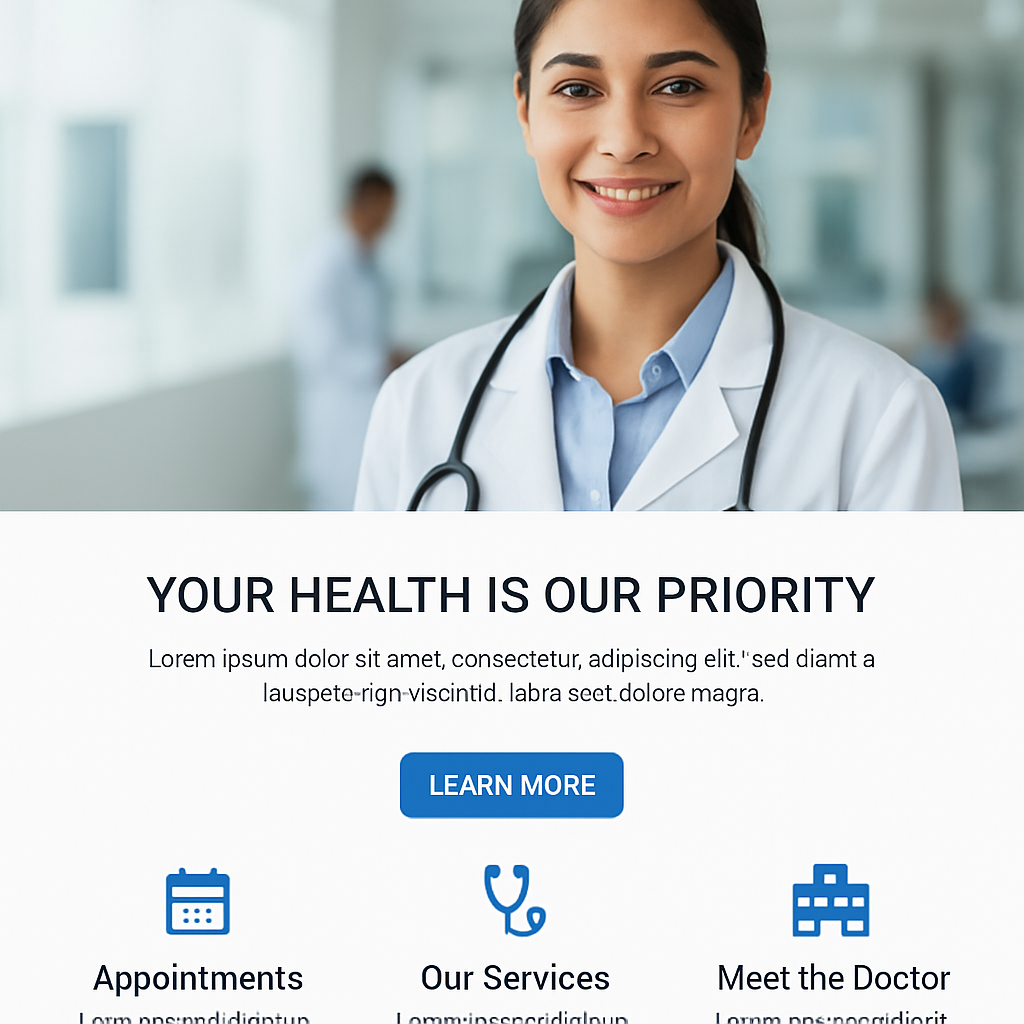
In addition to content, interact with your audience. Respond to comments and questions promptly. Building relationships online nurtures patient loyalty and satisfaction. Utilize analytics tools to track performance and identify areas needing improvement.
By maintaining a professional online presence, you set your practice apart. It's not just about visibility. It's about creating a meaningful, lasting connection with your patients.
Optimizing Your Medical Website for Patients and Search Engines
A well-optimized website is essential for attracting and retaining patients. It serves as the foundation of your digital marketing strategy. Ensuring it ranks high in search results can drive more traffic and potential patients to your practice.
First, focus on improving website speed and usability. Slow-loading pages can frustrate visitors and increase bounce rates. A fast and responsive design enhances the user experience. Mobile optimization is also critical, as many patients use phones to browse healthcare options.
SEO is vital for visibility. Use relevant keywords naturally throughout your content. Create informative and useful content that addresses common patient concerns and queries. This approach can improve your site's ranking on search engines like Google.
Here are essential steps to optimize your website:
- Ensure fast loading times
- Use relevant keywords naturally
- Optimize for mobile devices
- Provide clear, helpful information
- Include easy navigation and contact options
 by Justin Morgan (https://unsplash.com/@justin_morgan)
Finally, don't neglect the power of visuals. Use high-quality images and videos to engage users and explain complex procedures. Regularly update your content, as fresh information can also improve search rankings. By optimizing your website for both patients and search engines, you create a platform that effectively communicates your expertise.
Leveraging Local SEO to Attract Nearby Patients
Local SEO is crucial for doctors aiming to attract nearby patients to their practice. By focusing on local search tactics, you can ensure that your medical practice appears in search results when potential patients look for healthcare providers nearby. This targeted approach can lead to more in-person appointments and strengthen your practice's community presence.
Start by claiming and optimizing your Google My Business listing. This step ensures your practice appears in local map searches and includes essential information like address, phone number, and operating hours. Encourage current patients to leave positive reviews on your Google profile, enhancing your practice's credibility and appeal.
Use localized keywords in your website content and blog posts. This helps search engines understand your geographical focus and connect you with local patients. Consistently updating your location-specific pages with relevant content can improve your local search rankings.
Key actions for local SEO include:
- Claiming Google My Business
- Using localized keywords
- Encouraging patient reviews
- Creating location-specific content
 by lee seunghyub (https://unsplash.com/@sobalc)
By implementing these strategies, doctors can effectively increase their visibility in local searches, attracting more nearby patients and growing their practice.
Content Marketing: Educating and Engaging Patients
Content marketing offers doctors a valuable way to educate and engage patients. By sharing informative and relevant content, you can establish credibility and demonstrate expertise in your field. This approach not only builds trust with current patients but also attracts new ones seeking reliable medical information.
Creating diverse types of content can keep your audience engaged. Consider writing blog posts, producing educational videos, and sharing patient testimonials. These formats provide different ways to convey useful information, catering to varied preferences and needs of your patients.
Regularly updating your content is crucial. It ensures your information remains current and valuable. This not only improves your website's SEO but also helps maintain your audience's interest. Fresh content can highlight the latest advancements or services offered at your practice.
Effective content marketing strategies include:
- Writing educational blog posts
- Creating informative videos
- Highlighting patient testimonials
 by Fotos (https://unsplash.com/@fotospk)
By implementing a content marketing strategy, doctors can enhance patient engagement and expand their digital reach. This ongoing conversation with patients fosters a sense of community and emphasizes the care and knowledge patients can expect from your practice.
Harnessing the Power of Social Media for Medical Marketing
Social media platforms have become indispensable for medical marketing. They offer physicians the opportunity to connect with patients in real-time. By leveraging platforms like Facebook, Instagram, and LinkedIn, you can effectively share health tips, updates, and news about your practice.
Engagement is key on social media. Encourage patients to interact with your content by asking questions and soliciting feedback. This fosters a sense of community and keeps your audience connected to your practice. Engaging posts help maintain ongoing communication and build stronger relationships.
Visual content thrives on social media. Use high-quality images and videos to grab attention and convey messages quickly. Eye-catching visuals can make complex medical information more accessible and compelling to your audience.
Consider these effective social media strategies:
- Share patient stories and testimonials
- Post updates on new treatments and services
- Host live Q&A sessions
 by Fotos (https://unsplash.com/@fotospk)
Social media allows doctors to manage their reputation and expand their reach. By consistently providing valuable content and fostering interaction, physicians can harness the power of social media to enhance their medical marketing efforts. Engaged patients are likely to become loyal advocates, spreading positive word-of-mouth about your practice.
Managing Online Reputation and Patient Reviews
A doctor's reputation online can profoundly affect patient acquisition. Positive patient reviews can bolster trust and credibility. Conversely, negative reviews can deter potential patients from choosing your practice.
Managing online reviews is essential in digital marketing for doctors. Monitor platforms where patients leave feedback, such as Google My Business and Yelp. Regularly check these sites to respond promptly to both positive and negative comments. Responding shows that you value feedback and are committed to improving patient experiences.
Encourage satisfied patients to leave reviews. This can help enhance your practice's online presence. Sometimes patients just need a small nudge to share their positive experiences. Providing exceptional service naturally leads to positive feedback, but actively asking can increase your review count.
Consider these tips for managing your online reputation:
- Respond to all reviews professionally and promptly
- Address patient concerns with empathy and solutions
- Encourage patient reviews through follow-up communications
 by Dip Devices (https://unsplash.com/@dipdevices)
An effective reputation management strategy builds trust and attracts more patients. By maintaining an active presence online and valuing patient feedback, doctors can ensure a more favorable image is maintained. Being proactive about online reputation is crucial in today's competitive healthcare landscape.
Email Marketing: Staying Connected with Patients
Email marketing remains a powerful tool in the digital marketing for doctors toolkit. It provides a direct line to patients, ensuring continuous engagement and communication. Regular newsletters can keep patients informed about new treatments, health tips, and practice updates.
Creating valuable content is key to successful email marketing. This includes personalized messages that cater to patient interests and needs. Targeted emails can remind patients of upcoming appointments or share relevant health advice. Such tailored communication can greatly enhance patient satisfaction and retention.
Here are effective email marketing strategies for doctors:
- Send regular newsletters with health tips and updates
- Personalize emails to cater to specific patient needs
- Use analytics to track engagement and improve content
 by Standsome Worklifestyle (https://unsplash.com/@standsome)
Email marketing offers a cost-effective way to strengthen patient relationships. It supports patient retention by providing consistent, valuable communication. By keeping your patients in the loop, you can foster loyalty and trust in your medical services.
Paid Advertising: PPC and Digital Ads for Doctors
Paid advertising can quickly boost a medical practice's online visibility. Pay-per-click (PPC) campaigns allow doctors to target specific patient demographics effectively. This means your ads reach the right audience at the right time, enhancing patient acquisition efforts.
Digital ads can also be tailored to highlight unique services or treatments offered by your practice. Utilizing platforms like Google Ads or Facebook Ads can direct potential patients straight to your website. This targeted approach helps drive traffic and generates higher conversion rates.
To optimize your paid advertising strategy, consider the following tips:
- Identify and target specific patient demographics
- Track and analyze ad performance regularly
- Customize your ads to emphasize key services
 by Vitaly Gariev (https://unsplash.com/@silverkblack)
With the precision of PPC, doctors can increase their practice's exposure efficiently. It enables targeting based on specific patient needs or location, maximizing your advertising budget. When combined with other digital marketing strategies, paid advertising can lead to a noticeable uptick in appointments and practice growth.
Tracking Results and Improving Your Digital Marketing Strategy
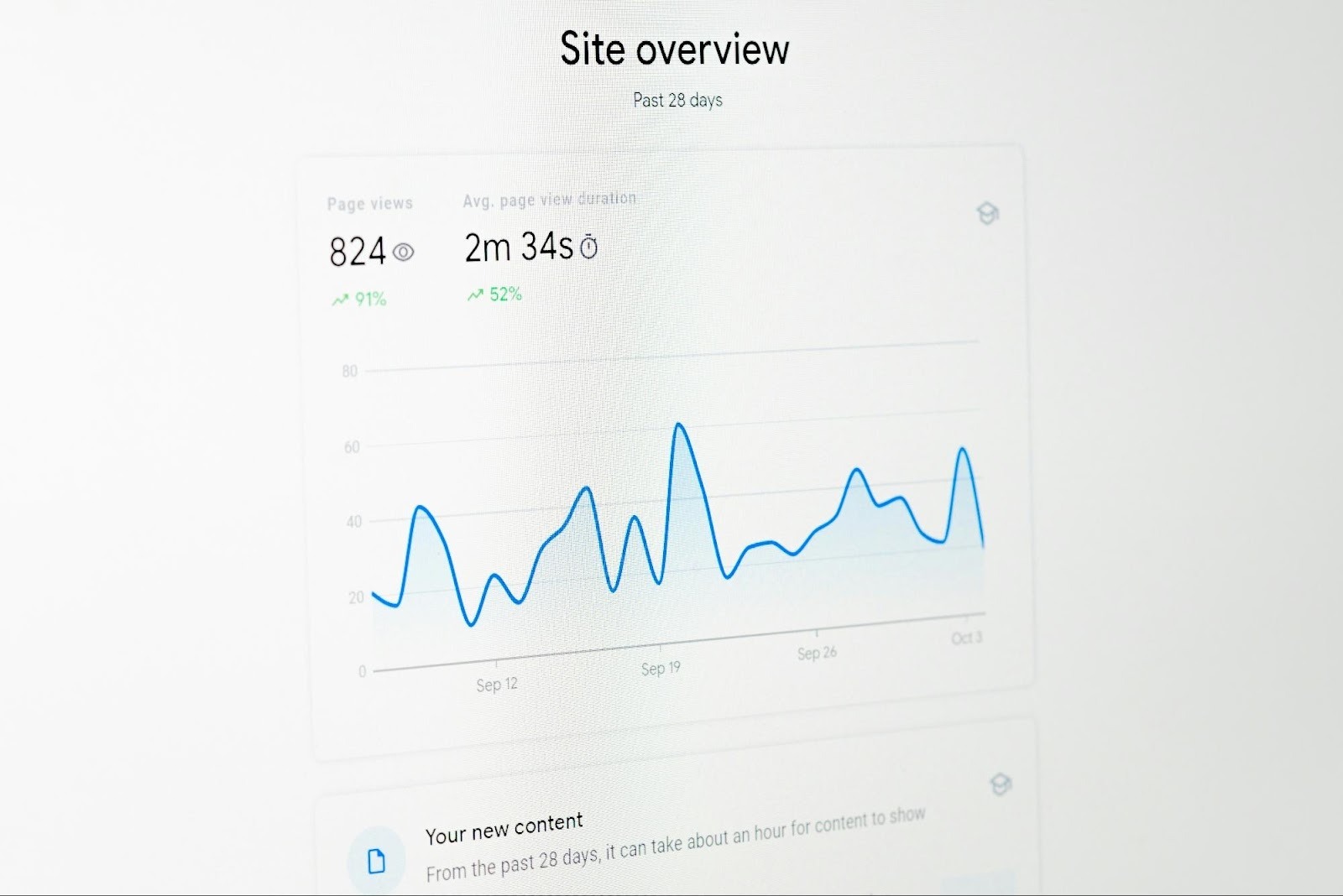
Measuring the success of your digital marketing efforts is vital. Without tracking, you won't know what's working or needs improvement. Analytics tools can provide valuable insights into patient engagement and campaign performance.
To improve your strategy, focus on analyzing data regularly. Look at website traffic, conversion rates, and patient feedback. These metrics can guide necessary adjustments to your marketing plan. Consistent evaluation will optimize results and boost your overall strategy.
Consider these steps for effective result tracking:
- Use Google Analytics for detailed website insights
- Monitor social media engagement and reach
- Analyze patient feedback and reviews for direct input
 by Sumaid pal Singh Bakshi (https://unsplash.com/@sumaidsingh)
Refining your strategy based on data ensures that you allocate resources efficiently. It helps you understand patient behavior, refine targeting efforts, and enhance marketing tactics. By adopting a data-driven approach, doctors can ensure their digital marketing remains effective and aligned with their practice goals.
Compliance, Privacy, and Ethical Considerations in Medical Marketing
When engaging in digital marketing, healthcare professionals must adhere to strict compliance and privacy standards. These include regulations like HIPAA, which safeguards patient information.
Doctors should ensure that their marketing practices respect ethical guidelines. Transparency and honesty should be prioritized in all patient communications. Maintaining trust is crucial for ongoing patient relationships.
Key compliance steps include:
- Ensuring patient data remains private in all online activities
- Providing accurate and transparent health information
- Obtaining consent before using patient data for marketing purposes
Respecting these rules not only builds trust but also protects against potential legal issues. Ethical marketing demonstrates commitment to patient care and professional integrity.
Conclusion: Taking the Next Steps in Digital Marketing for Doctors
Adopting digital marketing strategies can transform a medical practice. Physicians should embrace this opportunity to reach more patients and build their online reputation.
With the right tactics and tools, doctors can enhance patient engagement and grow their practice. Continuous learning and adaptation to new digital trends will ensure lasting success. Remember, a strong digital presence begins with a solid strategy and genuine patient connections.
Q&A
Question: I’m just getting started—what should I prioritize first to build a strong digital presence?
Short answer: Start with a professional, patient-friendly website that’s fast, mobile-optimized, and easy to navigate. Clearly present your services, background, and contact options. Then establish active social media profiles, begin posting valuable content (blogs, videos), and make reviews/testimonials visible. These foundations build trust, credibility, and make your practice discoverable online.
Question: How can local SEO help me attract more nearby patients, and what steps should I take?
Short answer: Local SEO connects you with patients searching for care in your area. Claim and optimize your Google My Business profile so you appear in local maps with accurate hours, address, and phone details. Use localized keywords on your site and in blog posts, encourage patient reviews, and create location-specific content. These actions improve your visibility in local search results and drive more in-person appointments.
Question: What kinds of content work best to educate and engage patients?
Short answer: Focus on educational blog posts, informative videos, and patient testimonials. Keep content current to reflect new services or advancements and to improve SEO. Use high-quality visuals to explain complex procedures, and repurpose content across social media and email newsletters to deepen engagement. Regular, helpful content builds credibility and fosters a sense of community around your practice.
Question: How should I manage online reviews to protect and grow my reputation?
Short answer: Monitor platforms like Google My Business and Yelp, and respond promptly and professionally to all reviews. Address concerns with empathy and solutions, and encourage satisfied patients to share their experiences through polite follow-ups. Active, respectful engagement signals that you value feedback, strengthens trust, and boosts patient acquisition.
Question: How do I measure what’s working—and stay compliant with privacy and ethics?
Short answer: Track performance with analytics tools: review website traffic and conversions (e.g., via Google Analytics), monitor social media engagement, and analyze patient feedback and reviews. Use these insights to refine tactics continuously. To stay compliant, safeguard patient data (e.g., HIPAA), provide accurate and transparent information, and obtain consent before using any patient data for marketing. Ethical, privacy-first marketing builds trust and avoids legal risks.