
Summary
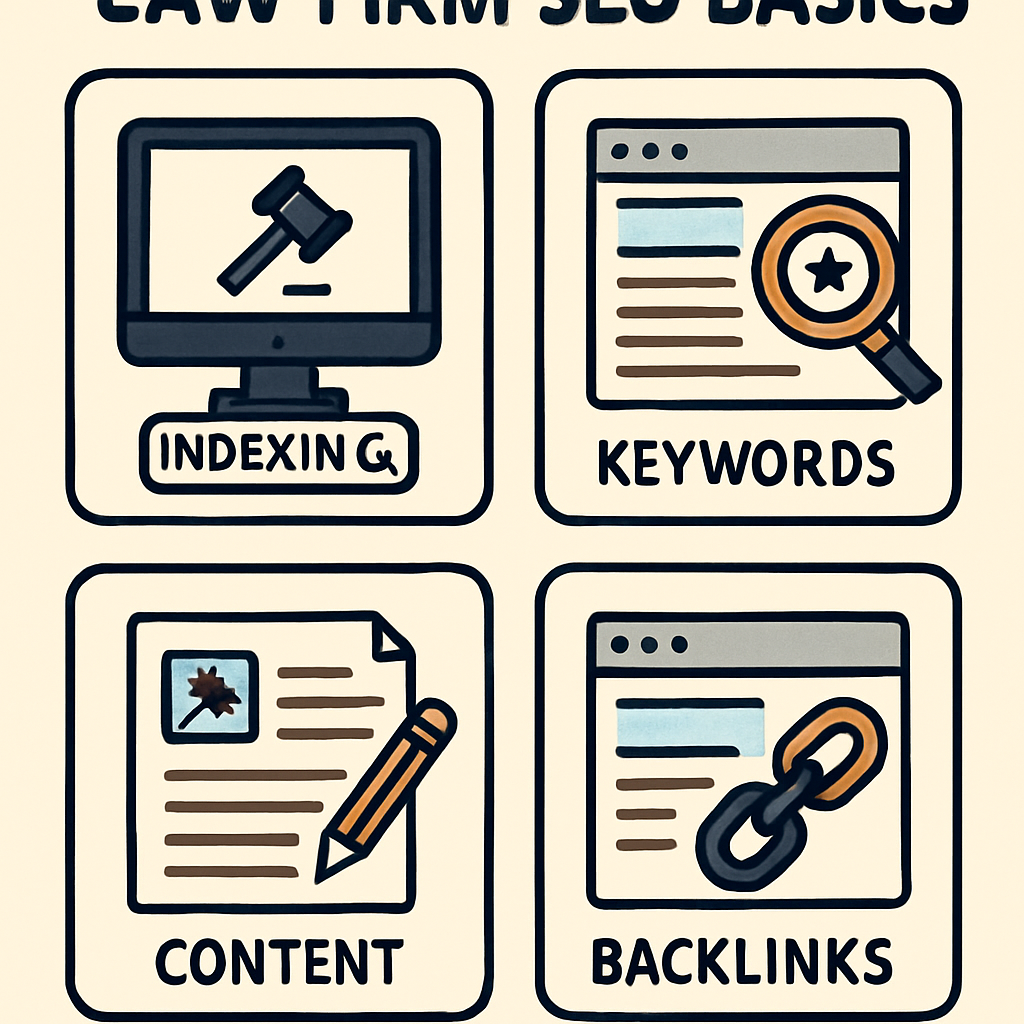
SEO (Search Engine Optimization) is the process of improving your website's visibility on search engine results pages (SERPs). For law firms, a dominant search presence is the most cost-effective way to attract high-intent clients and establish immediate trust.
Importance of SEO for Lawyers
For law firms, SEO is not just about driving traffic; it's about attracting the right kind of traffic. Potential clients often turn to search engines when they need legal assistance. By ensuring your website appears prominently in search results, you increase the chances of connecting with individuals seeking your services. A strong SEO strategy can position your firm as a leader in your practice area and establish trust with potential clients even before they contact you. Moreover, SEO is a cost-effective marketing strategy compared to traditional advertising, providing a better return on investment.
1. Strategic Keyword Research

The foundation of legal SEO is understanding how potential clients search for help.
-
Practice-Specific Keywords: Focus on terms like "personal injury lawyer" or "divorce attorney."
-
Long-Tail Keywords: Target specific queries such as "immigration lawyer in Los Angeles" to capture users ready to hire.
-
Competitor Analysis: Identify "content gaps" where your competitors aren't ranking and capitalize on those opportunities.
2. High-Impact On-Page SEO
Optimize individual pages to ensure Google understands your expertise.
-
Titles & Meta Descriptions: Include your primary keyword and a clear Call to Action (CTA).
-
Quality Content: Use blogs and FAQs to answer common legal questions. Use headers and bullets to make text scannable.
-
Internal Linking: Link related articles together to guide users through your site and distribute "link equity."
-
Image Optimization: Use descriptive Alt Text (e.g., "Chicago-defense-attorney-team") and compress files for faster loading.
3. Off-Page Authority & Trust
Google ranks law firms based on their reputation outside of their own website.
-
Backlink Building: Earn links from reputable legal directories (Avvo, Justia), industry publications, and local news sites.
-
Client Reviews: Actively collect positive reviews on Google Business Profile. Social proof is a massive ranking factor for local search.
-
Social Engagement: Share insights on LinkedIn and Facebook to drive traffic and increase brand awareness.
4. Technical SEO Essentials

by Artan Sadiku (https://unsplash.com/@a_sadiku)
A fast, secure site is a prerequisite for ranking in 2026.
-
Mobile-First Design: Ensure your site is fully responsive; most legal searches now happen on mobile.
-
Site Speed: Minimize code and leverage caching. A one-second delay can lose a potential client.
-
HTTPS Security: Secure sites are mandatory for law firms handling sensitive data.
-
Structured Data: Use Schema Markup to help Google display "rich snippets," such as your star ratings and office location, directly in search results.
5. Dominating Local SEO
Most legal services are local. If you aren't in the "Map Pack," you're losing business.
-
Google Business Profile (GBP): Keep your firm’s address, phone, and hours 100% accurate.
-
NAP Consistency: Ensure your Name, Address, and Phone number are identical across all web directories.
-
Location-Specific Content: Create pages dedicated to the specific cities or neighborhoods you serve.
6. Measuring Success
SEO is not "set it and forget it." Use Google Analytics and Search Console to track:
-
Organic Traffic: Are more people finding you via search?
-
Keyword Rankings: Are you moving up for your target terms?
-
Conversion Rate: Are site visitors actually calling or emailing your firm?
Conclusion
SEO is a marathon, not a sprint. By focusing on technical health and authoritative content, your firm can build a sustainable pipeline of new cases.