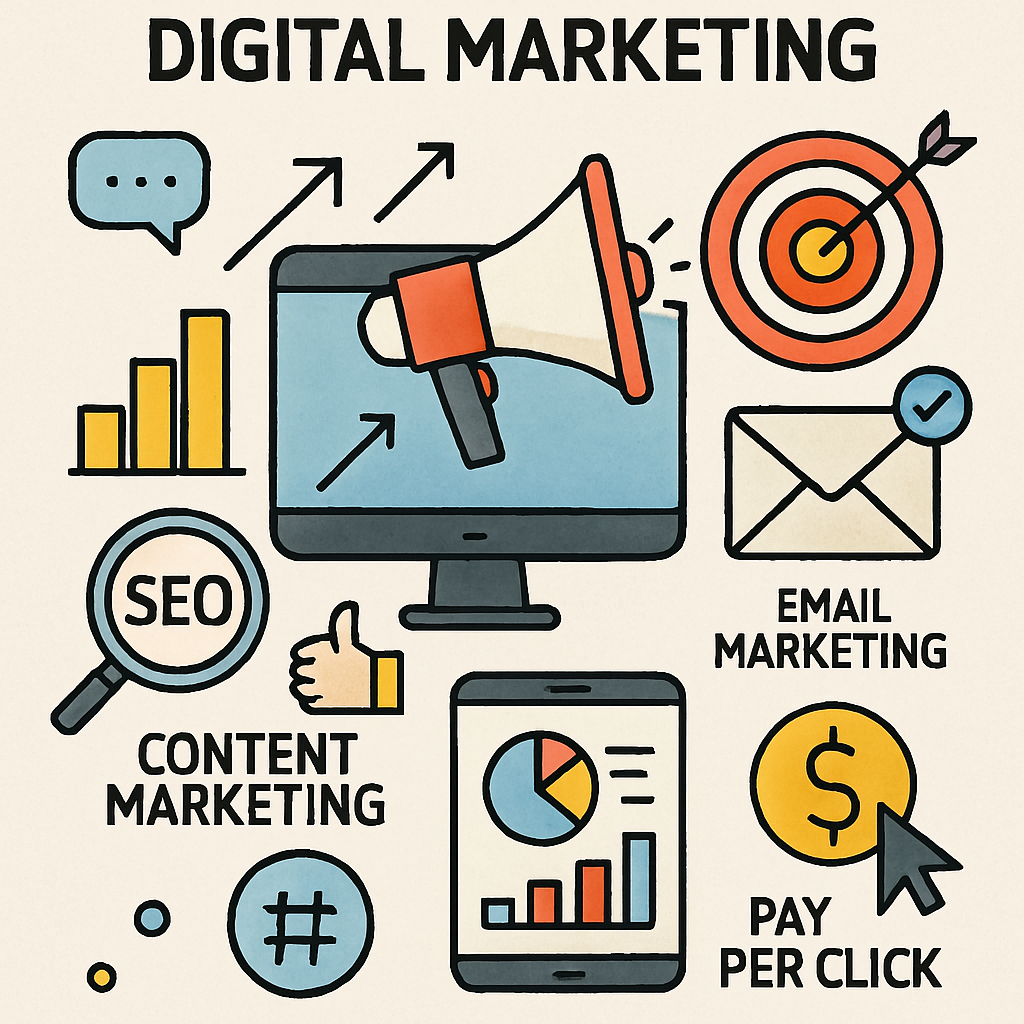
Digital marketing is evolving at a rapid pace. By 2025, the landscape will look vastly different.
Summary
By 2025, AI and machine learning will power hyper-personalization, predictive insights, and generative content at scale, while omnichannel and real-time engagement become core to loyalty and growth. Video and live streaming will deepen authentic connections, and AI-driven social platforms and search will require a focus on user intent, quality content, and mobile/voice optimization. Ethical AI and robust data privacy will be essential for trust. Marketers should invest in AI capabilities, agile content operations, and data-driven decision-making to stay competitive.
Emerging trends are set to redefine how businesses connect with their audiences.
AI-powered tools will lead the charge, offering new ways to personalize marketing efforts.
Machine learning will transform data into actionable insights, helping marketers predict consumer behavior.
Generative AI tools will revolutionize content creation, making it more dynamic and personalized.
Omnichannel experiences will become crucial for maintaining brand loyalty and customer engagement.
Real-time marketing will allow brands to respond quickly to trends and events.
Staying ahead of these trends is essential for marketers aiming to thrive in 2025.
The Digital Marketing Landscape in 2025: An Overview
By 2025, digital marketing will be more integrated and customer-focused. This shift stems from technological innovations. These innovations promise to drive deeper connections with audiences.
AI and machine learning will dominate the marketing landscape. These tools will deliver unprecedented personalization. For brands, it means reaching customers with tailored messages.
Generative AI tools will transform how marketers create content. Dynamic and adaptable content will engage audiences like never before. Creativity paired with technology will offer limitless possibilities.
Social media platforms will evolve with AI, enhancing personalization. As user expectations grow, brands must adapt quickly. Real-time interactions will set businesses apart from their competition.
The importance of data in decision-making will increase significantly. Marketers will rely on real-time data analysis. This approach will ensure campaigns remain relevant and effective.
To prepare for these changes, brands should focus on several key strategies:
- Invest in AI technologies.
- Embrace omnichannel marketing.
- Prioritize data privacy and ethical AI use.
- Enhance real-time marketing capabilities.
- Develop agile content creation strategies.
In conclusion, the 2025 digital marketing landscape will be dynamic and consumer-driven. Staying ahead requires adopting new technologies. Brands that embrace change will thrive in this new environment.

The Rise of AI-Powered Marketing
AI-powered marketing represents a shift in how brands connect with their audiences. By 2025, artificial intelligence will play a critical role in marketing strategies. It will offer refined solutions for personalization and targeting.
AI tools analyze consumer behavior like never before. They enable marketers to predict future buying patterns. These insights drive more effective campaigns and conversion rates.
Brands invested in AI will enjoy numerous benefits. They can optimize advertising and content strategies. AI-driven approaches ensure marketing efforts are efficient and impactful.
AI in marketing isn't just about automation. The technology provides creative enhancements. Marketers can use AI-generated insights to design compelling campaigns.
Predictive analytics powered by AI will become more sophisticated. These insights allow marketers to anticipate customer needs. As a result, brands can deliver content that resonates with audiences.
AI technology will also enhance customer service through chatbots. These AI-driven assistants provide real-time support. They offer timely responses that increase user satisfaction.
To leverage AI effectively, marketers should focus on several strategies:
- Implement AI tools for data analysis.
- Automate routine tasks for efficiency.
- Personalize content to improve engagement.
- Use AI to anticipate market trends.
- Monitor AI applications for quality control.
Moreover, AI will transform email marketing. AI algorithms can personalize email content and improve open rates. This leads to increased engagement and conversion.
In summary, AI-powered marketing offers remarkable opportunities for brands. Embracing AI can elevate marketing strategies significantly. Companies that integrate AI will set themselves apart in the digital marketing landscape of 2025.
 by Creatvise (https://unsplash.com/@creatvise)
Generative AI Tools and the Future of Content Creation
Generative AI tools are revolutionizing content creation. By 2025, these tools will fundamentally change how we create digital content. They allow marketers to produce dynamic and customized material at an unprecedented scale.
These tools harness the power of artificial intelligence to automate content generation. They can craft personalized messages that resonate with diverse audiences. This adaptability makes them invaluable in a world where tailored experiences drive engagement.
Marketers can benefit from generative AI in several ways. These tools can write articles, design visuals, and even compose music. They enhance creativity by providing fresh perspectives that humans might overlook.
Generative AI supports the creation of more authentic and relatable content. AI-generated content can mimic human writing styles and tones. This ability ensures that brand messages remain consistent and engaging across different platforms.
Despite their power, generative AI tools are not without challenges. Marketers must ensure human oversight to maintain content quality. While AI can automate processes, the human touch is essential for relevance and authenticity.
To fully exploit the potential of generative AI, marketers should consider several practices:
- Incorporate AI tools into the creative process.
- Use AI to gather insights about audience preferences.
- Monitor AI output to maintain consistency and quality.
- Balance AI-generated content with human creativity.
- Continuously train AI systems for improved performance.
Generative AI tools can also boost efficiency in content marketing. They streamline processes, allowing for faster turnaround times. This efficiency enables brands to keep up with the fast-paced demands of digital marketing.
The future of content creation is undeniably tied to generative AI. These tools offer brands a cutting-edge advantage in crafting innovative and compelling content. As generative AI evolves, it will redefine the boundaries of creative expression and content strategy.
 by Yash Bindra (https://unsplash.com/@yb_4)
Machine Learning: Transforming Data into Actionable Insights
Machine learning is at the heart of future digital marketing innovations. It interprets complex datasets, turning them into actionable insights. This ability allows marketers to make informed and strategic decisions.
By 2025, machine learning will enhance predictive analytics significantly. Marketers will be able to anticipate customer behaviors with greater accuracy. This foresight is invaluable for crafting targeted campaigns that resonate deeply with consumers.
One of the key benefits of machine learning is its capacity to identify patterns. These insights can guide the development of personalized marketing strategies. Machine learning enables brands to understand consumer preferences on a deeper level.
The implementation of machine learning offers various practical applications:
- Predicting customer trends for better decision making.
- Segmenting audiences with improved precision.
- Optimizing resource allocation to maximize ROI.
- Enhancing personalization through behavioral insights.
- Automating routine tasks to boost operational efficiency.
As machine learning technologies advance, the need for skilled professionals will rise. Marketers must upskill to leverage these capabilities effectively. This knowledge is crucial to remain competitive in a rapidly evolving digital landscape.
Incorporating machine learning within marketing operations streamlines processes. It frees up resources, allowing brands to focus on creative strategy and innovation. Ultimately, machine learning empowers marketers to operate more strategically and efficiently.
Machine learning will revolutionize data analysis, offering unparalleled insights. Its integration into marketing strategies will redefine how brands interact with and understand their audiences. This transformation will pave the way for more sophisticated marketing tactics and enriched consumer experiences.
Omnichannel Experiences: Creating Seamless Customer Journeys
The digital marketing landscape in 2025 will focus heavily on omnichannel experiences. Brands will need to engage customers across multiple platforms seamlessly. This approach ensures consistent communication and enhances customer satisfaction.
Omnichannel marketing is essential for brand loyalty and customer retention. Consumers expect a unified brand experience whether online or offline. Meeting these expectations requires a seamless integration of channels.
An effective omnichannel strategy provides a 360-degree view of customer interactions. This insight enables personalized experiences tailored to individual preferences. Understanding customer journeys across channels is vital for delivering value-driven interactions.
Key components of successful omnichannel strategies include:
- Integrating digital and physical touchpoints.
- Ensuring consistent messaging across all platforms.
- Personalizing experiences based on behavioral data.
- Leveraging technology to automate and analyze interactions.
- Monitoring customer feedback to improve journeys.
Emerging technologies are crucial in facilitating these strategies. AI tools play a significant role by providing real-time analytics and customer insights. They enable brands to adapt promptly to changing consumer behavior.
 by Michał Bińkiewicz (https://unsplash.com/@binkievitz)
In 2025, brands must prioritize creating seamless customer experiences. The competitive digital environment demands innovative approaches to interaction. By embracing omnichannel strategies, businesses can build deeper connections with their audiences.
Investing in this holistic approach promises long-term benefits. Brands that effectively align their channels will enhance customer loyalty. This alignment ultimately boosts growth and strengthens market position in a crowded digital space.
Real-Time Marketing and Data-Driven Decision Making
The pace of digital marketing in 2025 will accelerate, emphasizing real-time interactions. Consumers expect timely responses, driving brands to adapt quickly. Real-time marketing leverages immediate data to connect with audiences effectively.
Data-driven decision-making underpins real-time marketing strategies. It involves analyzing current data to inform actions. Brands can thus respond to trends, optimize campaigns, and improve customer experiences instantly.
Effective real-time marketing requires advanced analytics tools. These tools process data quickly, offering insights into consumer behavior. Marketers can then tailor content and offers to meet changing demands.
Key elements of successful real-time marketing include:
- Utilizing AI-powered analytics for rapid insight generation.
- Monitoring social media for emerging trends.
- Responding promptly to customer feedback and inquiries.
- Adjusting marketing strategies based on real-time data.
- Engaging with audiences during live events or promotions.
Real-time marketing fosters engagement and builds brand loyalty. By reacting to customer needs promptly, brands forge strong connections. This approach also enhances customer satisfaction through personalized communications.
In the future, businesses must harness technology to make data-driven decisions swiftly. The ability to act on real-time data will distinguish successful brands. As markets evolve, real-time marketing strategies will become essential for maintaining competitive advantage.
Investing in technology that supports real-time capabilities is crucial. Brands equipped with the right tools will thrive in the dynamic digital landscape, seizing opportunities as they arise.
Live Streaming and Video: Engaging Audiences in Real Time
The surge in live streaming is reshaping digital marketing strategies. As consumers crave genuine interactions, video content rises in popularity. It offers a powerful medium to engage audiences authentically.
Live streaming provides real-time engagement opportunities. Brands can broadcast events, product launches, and behind-the-scenes glimpses. Such experiences increase transparency and foster trust among viewers.
Video content is a versatile tool in digital marketing. It can be repurposed across platforms, reaching diverse audiences. From short clips to detailed tutorials, videos cater to various consumer preferences.
Marketers should focus on creating compelling video content to captivate viewers. Leveraging live streaming effectively involves:
- Planning interactive sessions to encourage audience participation.
- Utilizing platforms like YouTube, Instagram, and Facebook for wide reach.
- Integrating live chats and Q&A segments for active engagement.
- Collaborating with influencers to expand viewership.
- Analyzing metrics to refine content strategies continuously.
The immediacy of live video fosters a sense of community. By engaging audiences in real time, brands can strengthen relationships. It also provides opportunities for immediate feedback, enhancing customer satisfaction.
 by Markus Spiske (https://unsplash.com/@markusspiske)
As digital landscapes evolve, the importance of live streaming and video will grow. Brands must adapt by integrating dynamic video content into their strategies. Doing so will ensure they remain relevant and connected with their target audiences.
The Evolution of Search Engines and SEO Strategies
Search engines have evolved dramatically, shaping digital marketing. By 2025, AI-driven search engines will dominate, offering nuanced and personalized results. This transformation is forcing marketers to rethink SEO strategies.
AI enhancements mean search engines now understand context better. They assess user intent beyond mere keywords. Consequently, search results become more refined and tailored to individual preferences.
Traditional SEO techniques still hold value, but AI requires a shift in focus. Marketers must emphasize content quality and user experience. Search engines prioritize well-organized, engaging, and relevant content.
To remain competitive, marketers should consider several key strategies:
- Embracing AI tools for keyword and content insights.
- Optimizing for voice search, as voice queries increase.
- Focusing on mobile-friendly content to cater to smartphone users.
- Building authoritative content that attracts backlinks.
- Monitoring analytics to adapt to changing search algorithms.
The rise of voice and visual searches also impacts SEO. As these search methods gain popularity, marketers need to adjust their strategies accordingly. This includes optimizing content for natural language queries and image searches.
 by Planet Volumes (https://unsplash.com/@planetvolumes)
Staying ahead in SEO requires marketers to embrace change and innovation. With AI advancing, the landscape of search is transforming rapidly. Successful marketing will depend on adapting to these shifts, ensuring visibility and relevance in the digital world.
Social Media in 2025: AI, Personalization, and Community
Social media will undergo significant changes by 2025, influenced largely by AI developments. Platforms like Facebook, Instagram, and others will embrace AI to enhance user interactions. This shift will allow for more personalized, dynamic experiences.
AI will analyze user behavior to offer tailored content and ads. Personalized feeds will improve user engagement, fostering community growth. Social media will become more intuitive, predicting user interests in real time.
Brands will need to adapt their strategies to these advancements. Engaging users through unique, personalized content is becoming essential. AI tools will help brands identify what resonates with their audience.
Key strategies for navigating social media in 2025:
- Utilize AI analytics for deeper audience understanding.
- Foster community through authentic and relatable content.
- Integrate social listening tools to gauge brand sentiment.
- Encourage user-generated content to build community trust.
- Adapt content based on real-time feedback and data.
AI will also aid in detecting emerging trends quickly. Social media managers will have to pivot fast, staying ahead of competition. This data-driven approach will redefine success metrics for brand presence online.
 by Mariia Shalabaieva (https://unsplash.com/@maria_shalabaieva)
As platforms evolve, creating community-focused content will be vital. Businesses need to cultivate strong networks of engaged followers. By merging AI insights with genuine interaction, brands can thrive in this new era.
Building Brand Loyalty in a Competitive Digital World
In 2025, maintaining brand loyalty will become both challenging and essential. The abundance of choices available to consumers makes standing out vital. Brands must focus on creating memorable and consistent experiences.
Customer experiences will drive brand loyalty more than ever. Offering personalized interactions will be key in fostering lasting relationships. AI-driven insights will help tailor customer experiences to individual preferences.
Transparency will play a crucial role in building trust. Consumers expect brands to be open about their practices and values. Ethical behavior and clear communication can significantly boost brand loyalty.
Ways to enhance brand loyalty in a digital age:
- Prioritize personalized and authentic customer experiences.
- Maintain transparency and communicate brand values clearly.
- Utilize AI to understand and predict customer needs.
- Engage with customers across all touchpoints consistently.
- Build communities around shared interests and values.
By focusing on these strategies, brands can foster strong bonds with their audience. Emphasizing authentic relationships will help companies retain their competitive edge. Brand loyalty will ultimately hinge on delivering value and exceeding customer expectations.
Ethical AI and Data Privacy: Building Trust with Consumers
As AI becomes integral to marketing, ethical practices must take center stage. Consumers are increasingly aware of data privacy issues. Brands need to build trust by being transparent about how they use data.
Implementing strong data protection policies is essential. Companies should prioritize security measures to safeguard consumer information. Ensuring compliance with privacy regulations can enhance consumer confidence.
Brands must also address ethical concerns surrounding AI usage. This includes ensuring that AI systems are free from bias. Fairness in AI-driven decisions will be crucial to maintaining consumer trust.
Key strategies for building trust through ethical AI practices include:
- Being transparent about data collection and usage.
- Implementing robust security protocols to protect data.
- Ensuring AI systems are unbiased and fair.
- Regularly reviewing AI processes for ethical compliance.
- Communicating openly with consumers about privacy measures.
By adopting these strategies, brands can strengthen consumer trust. Ethical AI practices will become a competitive differentiator in the digital world. Trust will be the foundation of lasting customer relationships.
Long-Term Strategies: Investing in AI and Future-Proofing Your Marketing
Investing in AI technologies is crucial for future-proofing marketing efforts. As digital marketing evolves, AI will drive innovation and efficiency. Brands must focus on long-term strategies incorporating AI advancements.
Businesses should allocate resources to AI research and development. Understanding AI applications in marketing will offer competitive benefits. The implementation of AI can streamline processes and enhance personalization.
Future marketing strategies should integrate AI to improve customer experiences. By doing so, brands can respond proactively to market changes. AI allows for real-time adaptation to new trends and consumer needs.
Here are some key strategies for investing in AI:
- Educate teams about AI tools and their benefits.
- Partner with AI tech companies to stay ahead.
- Regularly review and update AI strategies.
- Use AI for personalized marketing and customer insights.
By committing to these strategies, companies can secure their position in the evolving digital landscape. Long-term AI investments will yield substantial returns and sustain competitive advantages. Keeping abreast of AI developments is essential for strategic growth.
Key Takeaways and Action Steps for Marketers
Navigating the digital marketing realm in 2025 will require strategic foresight. Marketers must adapt to trends like AI innovations and real-time analytics. Embracing these changes can ensure sustained success.
Recognizing the importance of personalization is vital. As consumers demand tailored experiences, brands should leverage AI for insights. This will help in creating engaging, relevant content that resonates with diverse audiences.
To succeed, marketers should focus on the following action steps:
- Continuously update knowledge on digital trends.
- Invest in AI for better data analysis and decision-making.
- Enhance content strategies through generative AI tools.
- Prioritize customer loyalty with seamless omnichannel approaches.
By implementing these actions, marketers can thrive in an ever-changing landscape. Staying agile and receptive to technological shifts will differentiate successful brands. Proactive measures today will define tomorrow's market leaders.