
In today’s digital age, small businesses face unique challenges. Competing with larger companies can seem daunting. However, digital marketing services offer a level playing field.
These services are essential for growth. They help small businesses reach a wider audience. This is often at a fraction of the cost of traditional marketing.
Digital marketing encompasses various strategies. These include social media marketing, SEO, and content marketing. Each plays a crucial role in building an online presence.
Social media marketing is particularly powerful. It allows businesses to engage directly with their audience. This fosters brand loyalty and trust.
An internet marketing agency can provide expertise. They offer resources that small businesses might lack. This can be a game-changer for many entrepreneurs.
SEO is another vital component. It improves visibility on search engines. This leads to increased website traffic and potential sales.
Digital marketing services are not one-size-fits-all. They can be tailored to fit unique business needs. This flexibility is key to success.
Investing in digital marketing is investing in the future. It ensures long-term growth and sustainability. Small businesses can thrive in the digital-first marketplace.
Summary
Digital marketing levels the playing field for small businesses by delivering cost-effective reach, measurable performance, and scalable growth. Core channels—SEO, social media, content, email, and PPC—work best when tailored to goals and supported by the right agency expertise. Success hinges on clear objectives, smart budgeting, analytics-driven optimization, and overcoming common challenges through continual learning. Case studies and trends like AI, personalization, and video show that adaptable, customer-focused strategies drive sustainable results.
What Are Digital Marketing Services?
Digital marketing services are a broad spectrum of strategies. They aim to promote products or services online. This harnesses the power of the internet to reach consumers.
These services go beyond traditional marketing. They use data and analytics to measure performance. This allows businesses to refine their strategies based on real-time feedback.
Below is a list of common digital marketing services:
- Search Engine Optimization (SEO)
- Social Media Marketing
- Content Marketing
- Email Marketing
- Pay-Per-Click (PPC) Advertising
Each of these has distinct advantages. For instance, SEO focuses on improving search engine rankings. This increases visibility and attracts more organic traffic to your website.
Social media marketing connects with audiences on platforms they already use. It leverages content to engage and build relationships. This is crucial for small businesses looking to grow their brand presence.
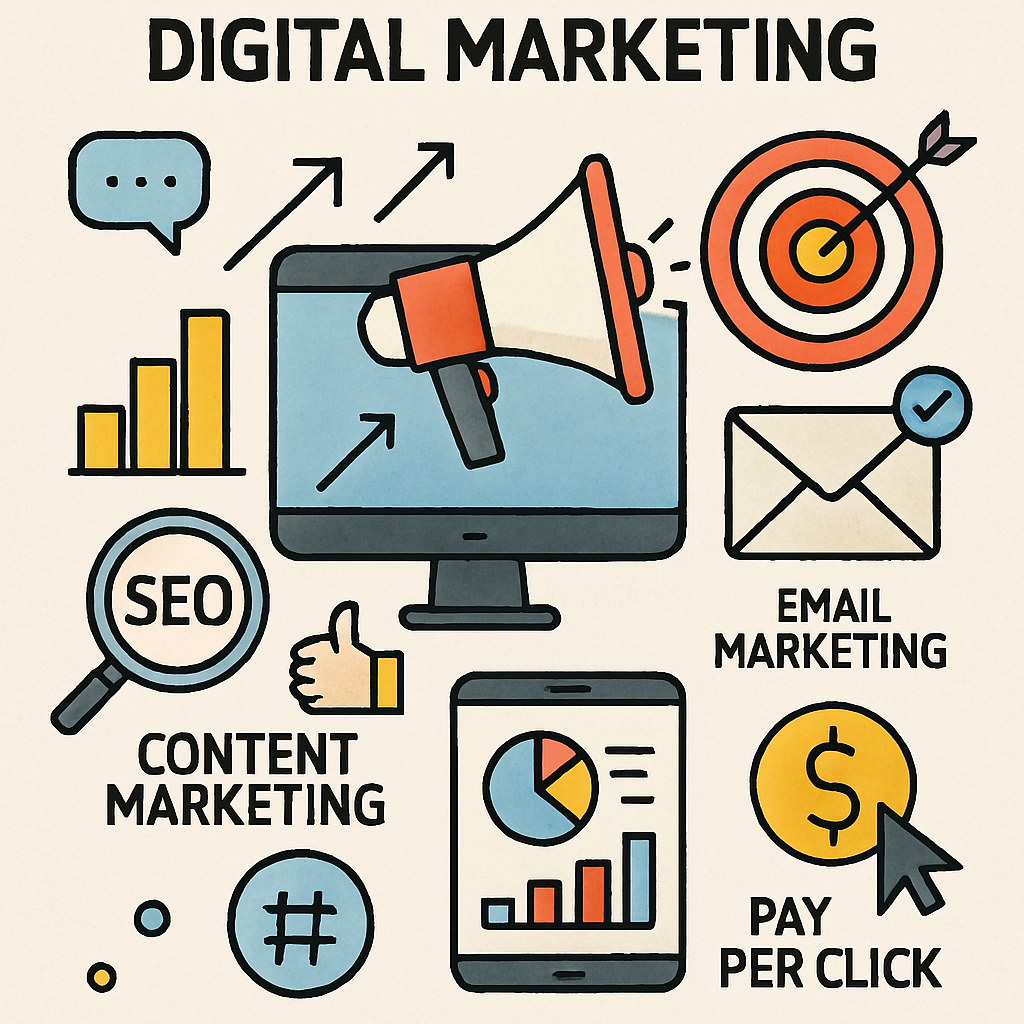
Content marketing involves creating valuable, relevant content. It’s not just about selling. It’s about providing value to potential customers. This builds trust and positions the business as a thought leader.
In essence, digital marketing services are adaptable. They can be customized to match any business’s goals. This flexibility makes them indispensable for today’s digital landscape.
Why Small Businesses Need Digital Marketing
Small businesses face many challenges in today’s market. Competition is fierce, and budgets are tight. That’s where digital marketing steps in as a cost-effective solution.
Traditional marketing often requires significant investment. Digital marketing, however, offers a better ROI. It allows small businesses to reach broader audiences without breaking the bank.
Digital marketing isn’t just about cost savings. It empowers businesses to target specific demographics. You can tailor campaigns to reach those most likely to convert.
Consider these advantages of digital marketing for small businesses:
- Increased online visibility
- Enhanced customer engagement
- Better targeting and personalization
- Real-time performance tracking
- Scalable strategies
Engagement is vital for building customer relationships. Social media and email marketing provide platforms for direct interaction. This engagement fosters trust and loyalty over time.
Moreover, digital marketing strategies can scale as your business grows. This means you can start small and expand as needs evolve. Flexibility like this is invaluable for a small business.
Finally, the data-driven nature of digital marketing offers actionable insights. With tools to track performance and user behavior, you can tweak strategies for better results.
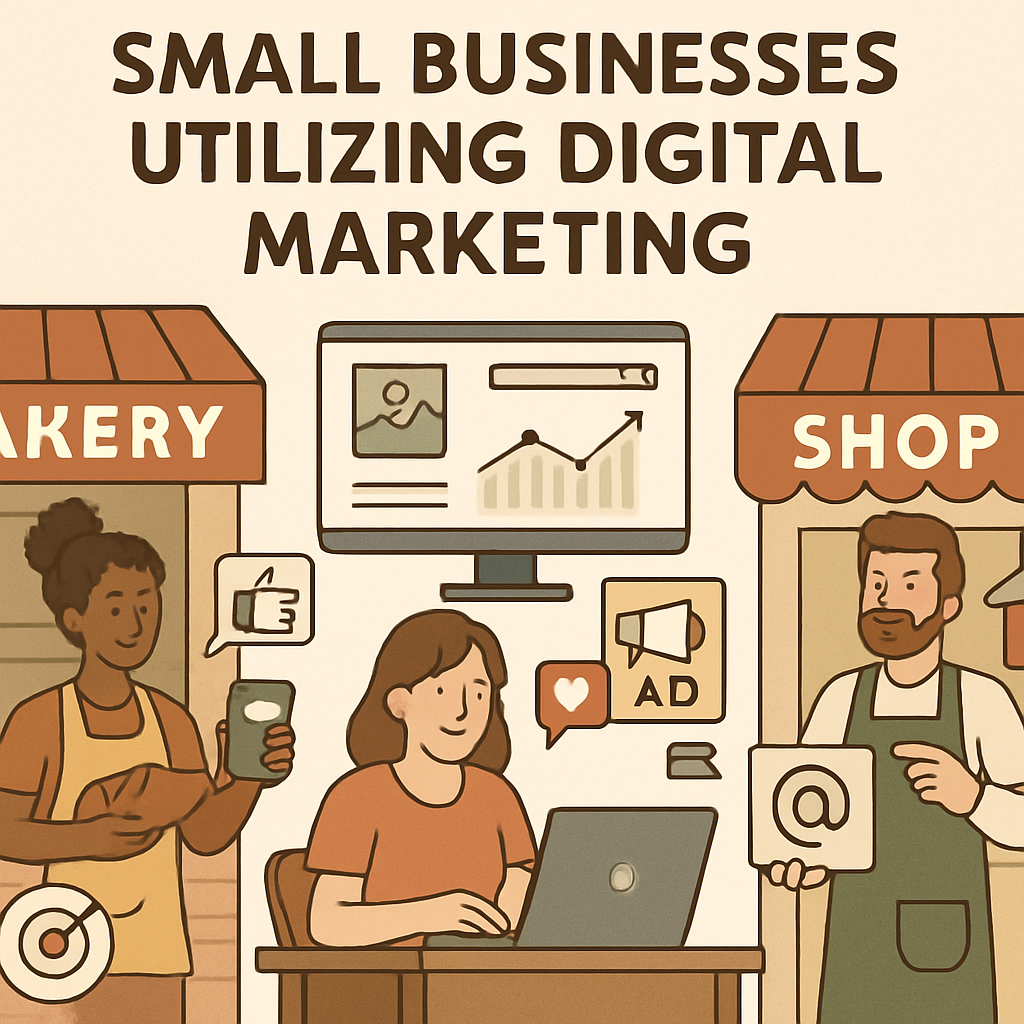
Digital marketing is not just a nice-to-have. It is a must-have for small businesses aiming for long-term growth and sustainability.
Key Types of Digital Marketing Services
Digital marketing services come in many forms. Each offers unique benefits for small businesses. Understanding these services is crucial for crafting effective strategies.
Let’s explore some key digital marketing services. First on the list is Search Engine Optimization (SEO). This strategy focuses on improving website visibility. It drives organic traffic from search engines.
Then we have Social Media Marketing. This service uses platforms like Facebook and Instagram. It’s essential for reaching and engaging with a wider audience.
Content Marketing is another powerful tool. It involves creating valuable and informative content. This strategy helps establish authority in your industry.
Email Marketing remains a trusted approach. It allows for direct communication with potential and existing customers. Personalized messages can boost retention and conversions.
Finally, Pay-Per-Click (PPC) Advertising is a targeted strategy. It places ads in front of specific demographics. You only pay when someone clicks your ad.
Consider incorporating these services into your strategy:
- SEO for better search engine rankings
- Social Media for audience engagement
- Content Marketing for brand authority
- Email for personalized communication
- PPC for targeted advertising
Each service can be tailored to your needs. The right mix can drive impressive results.
Digital marketing services are adaptable. You can combine various strategies for maximum impact. This flexibility is key for small businesses.
 by collier finance (https://unsplash.com/@collierfinance)
Explore these services to boost your business. Harness the power of digital marketing and watch your business grow.
Search Engine Optimization (SEO)
SEO is vital for any online strategy. It helps improve your website’s rank on search engines. A higher rank means more visibility and potential traffic.
SEO involves several tactics. These include keyword optimization, backlink building, and mobile-friendly design. Each element contributes to better search rankings.
Here’s why SEO is important:
- Increases organic traffic
- Enhances online visibility
- Builds website credibility
SEO is not a one-time effort. It’s a continuous process that evolves with algorithms. Regular updates are essential for maintaining a competitive edge.
Working with experts can simplify SEO. An internet marketing agency can provide the needed expertise. They’ll ensure your website adheres to best practices.
 by Mayukh Karmakar (https://unsplash.com/@wrishi2004m)
SEO is a powerful tool for small businesses. Invest time in optimizing your site and reap the rewards.
Social Media Marketing
Social media has transformed marketing. It offers businesses a way to engage directly with their audience. Popular platforms include Facebook, Instagram, and Twitter.
Social media marketing includes posting content, engaging with followers, and analyzing performance. It can boost brand awareness and customer loyalty.
Benefits of social media marketing:
- Builds brand loyalty
- Increases community engagement
- Provides customer insights
Effective social media requires consistency and strategy. Content should be engaging and relevant to your audience. Interaction should be timely and genuine.
Social media also offers paid advertising options. These allow precise targeting of demographics. It’s an efficient way to reach potential customers.
 by Dave Adamson (https://unsplash.com/@aussiedave)
Leverage social media to grow your business. It’s a dynamic way to connect and convert.
Content Marketing
Content marketing is about creating valuable content. This can include blog posts, videos, infographics, and more. The goal is to educate and engage your audience.
Quality content attracts and retains customers. It establishes your business as an industry authority. This builds trust and can drive traffic to your site.
Key aspects of content marketing:
- Provides valuable information
- Builds brand authority
- Increases organic traffic
Success in content marketing requires understanding your audience. Content should address their needs and interests. This approach fosters deeper connections.
A content calendar can help plan and organize your efforts. Consistent posting keeps your brand relevant and top-of-mind for consumers.
 by Hakim Menikh (https://unsplash.com/@grafiklink)
Focus on content marketing to build a loyal customer base. It’s a long-term strategy that pays dividends over time.
Email Marketing
Email marketing is a powerful tool for communication. It’s effective for engaging both new leads and existing customers. Personalized emails can significantly boost conversions.
Crafting successful email campaigns requires clear goals and compelling content. Segmentation allows for targeted messaging, ensuring relevance to each recipient.
Why use email marketing:
- Direct communication channel
- Highly personalized messaging
- Cost-effective strategy
Emails can include promotions, newsletters, or customer surveys. The content should be valuable and encourage action. Metrics like open rates and conversions track success.
Automation tools simplify email marketing. They streamline scheduling and help manage large contact lists. This efficiency is crucial for small businesses.
 by Ethan Hoover (https://unsplash.com/@ethanchoover)
Harness email marketing for sustained engagement. It’s a valuable asset in your digital marketing toolkit.
Pay-Per-Click (PPC) Advertising
PPC advertising is a controlled method of driving traffic. You pay each time someone clicks on your ad. It’s a cost-effective way to gain quick visibility.
Creating a successful PPC campaign involves targeting the right keywords and demographics. Ad platforms like Google Ads and Facebook Ads offer various customization options.
Advantages of PPC advertising:
- Targets specific demographics
- Provides real-time performance data
- Offers budget control
PPC campaigns demand ongoing management. Testing different ad copies and adjusting bids are part of the process. This ensures you’re getting the best return on investment.
Working with experienced advertisers can maximize PPC effectiveness. They bring expertise and insights to your campaigns.
by Rubaitul Azad (https://unsplash.com/@rubaitulazad)
Incorporate PPC advertising to amplify your reach. It’s a strategic investment for immediate results.
How to Choose the Right Internet Marketing Agency
Selecting the right internet marketing agency is crucial for success. The agency acts as your partner in achieving digital marketing goals. With numerous options available, making the right choice can be daunting.
First, identify your specific needs. Understand the services you require, whether SEO, content marketing, or PPC. Knowing what you need narrows down your options.
Next, research potential agencies. Look for those with proven experience and a strong portfolio. Client testimonials and case studies can provide insight into their past successes.
Consider their expertise in your industry. An agency familiar with your field will understand the unique challenges and opportunities it presents. Their insights can be invaluable.
Key factors to consider when choosing an agency:
- Experience and expertise
- Client testimonials and case studies
- Industry-specific knowledge
- Budget compatibility
- Communication and support
Budget is another critical factor. Ensure the agency’s fees align with your available resources. Clarify what services are included and any additional costs.
Finally, evaluate communication and support. Regular updates and transparent communication are essential. Choose an agency that values collaboration and listens to your input.
 by Kenny Kennethh (https://unsplash.com/@kennykennethh)
The right internet marketing agency will enhance your strategy. Thorough research ensures you select a partner that aligns with your objectives.
Building a Digital Marketing Strategy for Small Business
Crafting a digital marketing strategy tailored to your business needs is essential. Begin with setting clear goals. Determine what you want to achieve—be it more website traffic, lead generation, or brand awareness.
Understand your target audience. Researching customer demographics and behaviors is vital. Knowing your audience informs the channels and messaging you use.
Next, evaluate your current digital presence. Assess your website, social media profiles, and any existing content. Identify areas for improvement to enhance user experience and engagement.
Develop a content plan. Create a schedule for blogs, social media posts, and email campaigns. Consistent and compelling content is key to maintaining audience interest.
Consider using various digital marketing services:
- SEO to improve search engine rankings
- Social media marketing to engage audiences
- Email marketing to nurture leads
Resource allocation is crucial. Determine the budget for each marketing activity. Allocate resources based on priorities, ensuring that high-impact areas receive adequate funding.
Key elements for an effective strategy:
- Clear, measurable goals
- Understanding of the target audience
- A content plan with scheduled posts
- Budget allocation for prioritized activities
- Use of analytics for performance tracking
Measure success through analytics. Track progress against your goals and adjust strategies as needed. Continuously refine your approach for optimal results.
 by Hakim Menikh (https://unsplash.com/@grafiklink)
Incorporate feedback and learn from your campaigns. Adaptability in your strategy will lead to sustainable growth and success.
Setting a Digital Marketing Budget
Establishing a budget is crucial for your digital marketing success. It ensures effective resource allocation. Begin by evaluating your overall business financials.
Consider factors like revenue forecasts and cash flow. Allocate funds based on your business goals and priorities. Remember that digital marketing requires both time and money investment.
Focus on cost-effective channels that yield high returns. Social media and email marketing are often affordable. These platforms allow targeted campaigns that can maximize your reach.
Break down your budget into specific activities and services:
- SEO efforts to improve online visibility
- Content creation for blogs and social media
- Paid advertising like PPC campaigns
- Professional services from an internet marketing agency
Monitor your expenditures closely to stay within budget. Use analytics tools to track the effectiveness of your spending. Adjust allocations as you gain insights into which activities perform best.
 by Mike Cho (https://unsplash.com/@mike_cho)
Regular reviews of your budget help adapt strategies in real-time. This adaptability supports continued growth and improved marketing efficiency.
Measuring Success: Key Metrics and Analytics
Tracking success in digital marketing hinges on understanding key metrics. These indicators provide insights into your strategies’ effectiveness. Knowing what to measure is essential.
Start with website traffic analytics. Metrics such as page views and bounce rates are invaluable. This data informs how well your site attracts and retains visitors.
Engagement on social media platforms offers another perspective. Likes, shares, and comments indicate audience involvement. They’re critical for assessing brand reach and influence.
Email marketing opens unique doors to measurement:
- Open rates show interest levels
- Click-through rates indicate engagement with content
- Conversion rates signal the effectiveness of calls-to-action
 by Alexander Grey (https://unsplash.com/@sharonmccutcheon)
Regularly review these metrics to spot trends and refine strategies. Use tools like Google Analytics for comprehensive insights. Data-driven decisions lead to optimized performance.
Consistent evaluation helps in addressing weaknesses promptly. It ensures your digital marketing efforts align with your business objectives. This approach keeps you competitive and forward-looking.
Common Challenges and How to Overcome Them
Digital marketing can present unique hurdles. Small businesses often face budget constraints, which can limit advertising reach. However, strategic planning can maximize limited resources.
Another challenge is targeting the right audience. Misguided efforts can waste time and money. Utilizing analytics tools helps refine target demographics, ensuring ads reach potential customers.
Keeping up with evolving trends poses difficulties as well. Staying informed about digital marketing shifts is crucial. Regular education through webinars and industry news aids in maintaining relevance.
Common challenges include:
- Limited budgets impacting marketing reach
- Difficulty in audience targeting
- Constantly evolving digital trends
- Lack of in-house expertise
 by Alex Shuper (https://unsplash.com/@alexshuperart)
Many small businesses lack digital marketing expertise. Partnering with an internet marketing agency can provide necessary guidance. Experts can deliver tailored strategies that align with business goals.
Address these challenges by staying adaptable. Use analytics to guide decisions and seek external support when needed. Overcoming obstacles is possible with a proactive approach. Adaptation is key to thriving in the digital arena.
Case Studies: Small Business Digital Marketing Success Stories
Successful digital marketing stories inspire small business owners. One café, struggling to stand out, turned to social media. They crafted engaging content and boosted their visibility, quickly attracting more customers.
In another example, a small retail store lacked online traction. By implementing SEO strategies, they improved search engine visibility. This change significantly increased their website traffic and sales conversions.
A local bakery faced stiff competition. Collaborating with an internet marketing agency helped them utilize PPC advertising. Targeted campaigns led to immediate results, expanding their customer base.
Here are three success story highlights:
- Café increased customer footfall using social media marketing.
- Retail store boosted online presence with effective SEO practices.
- Bakery achieved rapid growth through PPC advertising campaigns.
 by Hümeyra Aydın (https://unsplash.com/@mavigibi)
 by wei (https://unsplash.com/@chanwei_snap)
Lastly, a service-based small business excelled by embracing email marketing. Regular newsletters kept their audience engaged, fostering loyalty and repeat business. These success stories highlight the impact of digital marketing.
These examples demonstrate the transformative power of digital strategies. Small businesses across industries benefit by adapting to evolving technologies. With creativity and targeted actions, digital marketing can deliver remarkable results.
Future Trends in Digital Marketing for Small Business
The digital landscape constantly evolves, bringing new opportunities for small businesses. Staying ahead requires awareness of upcoming trends. One significant trend is the rise of personalization in marketing. Tailoring messages to individual preferences can enhance engagement and conversion rates.
Artificial Intelligence (AI) also plays an increasing role. AI-driven tools help analyze data, optimize campaigns, and predict customer behavior with greater accuracy. This gives small businesses a competitive edge in decision-making.
Video marketing continues to grow in popularity. Short, engaging videos capture audience attention better than lengthy text. Platforms like TikTok and Instagram Reels provide creative ways for brands to connect with audiences.
Key future digital marketing trends include:
- Increased personalization in marketing strategies.
- Growing use of AI for data analysis and predictions.
- Rising popularity of video content in digital marketing.
 by BoliviaInteligente (https://unsplash.com/@boliviainteligente)
With these trends shaping the future, small businesses can leverage digital marketing. By adopting these strategies, they can thrive in a competitive market. Embracing change is essential for sustained growth and success.
Conclusion: Taking the Next Step with Digital Marketing Services
Investing in digital marketing is crucial for small business growth. It offers numerous ways to enhance visibility, attract customers, and drive sales.
Starting with a clear strategy helps to prioritize initiatives. Identifying goals ensures efforts align with business objectives and reach desired outcomes.
Collaboration with experts or agencies can provide invaluable insights and resources. This support empowers businesses to navigate the digital landscape with confidence. Taking deliberate, strategic steps in digital marketing leads to a stronger online presence and sets the stage for long-term success. By engaging fully in these opportunities, small businesses can thrive and scale effectively.
{{ include_custom_fonts({“Onest”:[“Regular”],”Satoshi”:[“Black”]}) }}