
In today’s competitive digital landscape, businesses are constantly seeking effective methods to enhance their online presence and drive sales. One powerful way to achieve this is through Pay-Per-Click (PPC) marketing services. Whether you’re a small business owner or managing a large corporation, PPC offers a flexible and scalable solution to reach your target audience and maximize your return on investment (ROI).

PPC marketing services involve placing ads on search engines like Google, Bing, or social media platforms where you pay a fee each time your ad is clicked. Unlike traditional advertising methods, PPC allows you to target specific audiences based on keywords, demographics, and other factors, ensuring your message reaches the right people.
Summary
PPC marketing delivers immediate, measurable results through targeted ads and precise budget control, making it a cost-effective way to drive traffic, leads, and sales. This guide covers PPC mechanics, audience targeting, and budgeting, along with step-by-step setup: goal-setting, keyword research, ad creation, and bid strategies. It emphasizes continuous management—monitoring metrics, A/B testing, and adaptive optimization—and highlights the benefits of partnering with expert agencies. The key takeaway: plan carefully, optimize relentlessly, and embrace innovation to maximize ROI.
The Mechanics of PPC Advertising
PPC advertising operates on a bidding system where advertisers compete for ad placement in a search engine’s sponsored links for specific keywords. When someone searches for a keyword related to your business, if you’ve bid on that keyword, your ad might appear in the search results. This method provides businesses with the opportunity to display their offerings precisely when potential customers are searching for them.
Targeting Specific Audiences
One of the standout features of PPC is the ability to tailor your campaigns to reach specific audiences. Advertisers can select who sees their ads based on a variety of criteria, including age, gender, location, interests, and even the device being used. This precise targeting helps in maximizing the efficiency of your marketing spend, ensuring your ads are seen by those most likely to convert.
Cost-Effectiveness of PPC
PPC is often hailed for its cost-effectiveness. Since you only pay when someone clicks on your ad, you’re essentially paying for results. This model allows for a level of cost control that is hard to achieve with other forms of advertising. Moreover, with the ability to set daily or monthly budgets, businesses can scale their marketing efforts up or down as needed, maintaining financial control at all times.
Why Choose PPC Over Other Marketing Strategies?
PPC marketing is unique because it provides immediate results and measurable outcomes. Unlike SEO, which can take months to see significant changes, PPC campaigns can generate traffic and leads quickly. This makes it an ideal choice for businesses looking to make an immediate impact.
Immediate Impact and Quick Results
With PPC, businesses can achieve immediate visibility on search engine results pages. Once your PPC campaign is live, your ads can start showing up on relevant search queries instantly. This immediacy is crucial for businesses looking to capture quick market opportunities or to gain rapid insights into market demand and consumer behavior.
Measurable and Transparent Outcomes
PPC campaigns provide a wealth of data and analytics, enabling advertisers to measure the effectiveness of their efforts in real-time. Metrics such as click-through rates (CTR), conversion rates, and cost per acquisition (CPA) are readily available, allowing for data-driven decision-making. This transparency ensures that businesses can continually refine their strategies to enhance performance.
Budget Control and Flexibility
One of the most appealing aspects of PPC is the control it offers over marketing budgets. Businesses can dictate how much they are willing to spend on each click, and budgets can be adjusted at any time based on campaign performance. This flexibility means that businesses can experiment with different strategies and allocate funds to areas that yield the best returns.
Setting Up a Successful PPC Campaign
A successful PPC campaign requires careful planning and execution. Here’s a step-by-step guide to get you started:
1. Define Your Goals
Before launching a PPC campaign, it’s essential to define what you want to achieve. Are you looking to increase website traffic, generate leads, or boost sales? Clear goals will guide your campaign strategy and help measure success.
Aligning Goals with Business Objectives
It’s crucial to ensure that your PPC campaign goals align with your broader business objectives. Whether it’s brand awareness, lead generation, or direct sales, understanding how your PPC efforts fit into the larger picture will guide your strategy and ensure consistency across all marketing channels.
Setting SMART Goals
Set SMART (Specific, Measurable, Achievable, Relevant, Time-bound) goals for your PPC campaigns. This approach helps in establishing clear and actionable objectives that are easy to track and evaluate. For example, instead of a vague goal like “increase sales,” aim for “increase online sales by 20% in the next quarter.”
Continual Goal Assessment
Regularly assess and adjust your goals based on performance data and market changes. The digital landscape is dynamic, and staying flexible with your goals allows you to pivot and seize new opportunities as they arise, ensuring sustained campaign effectiveness.
2. Conduct Keyword Research
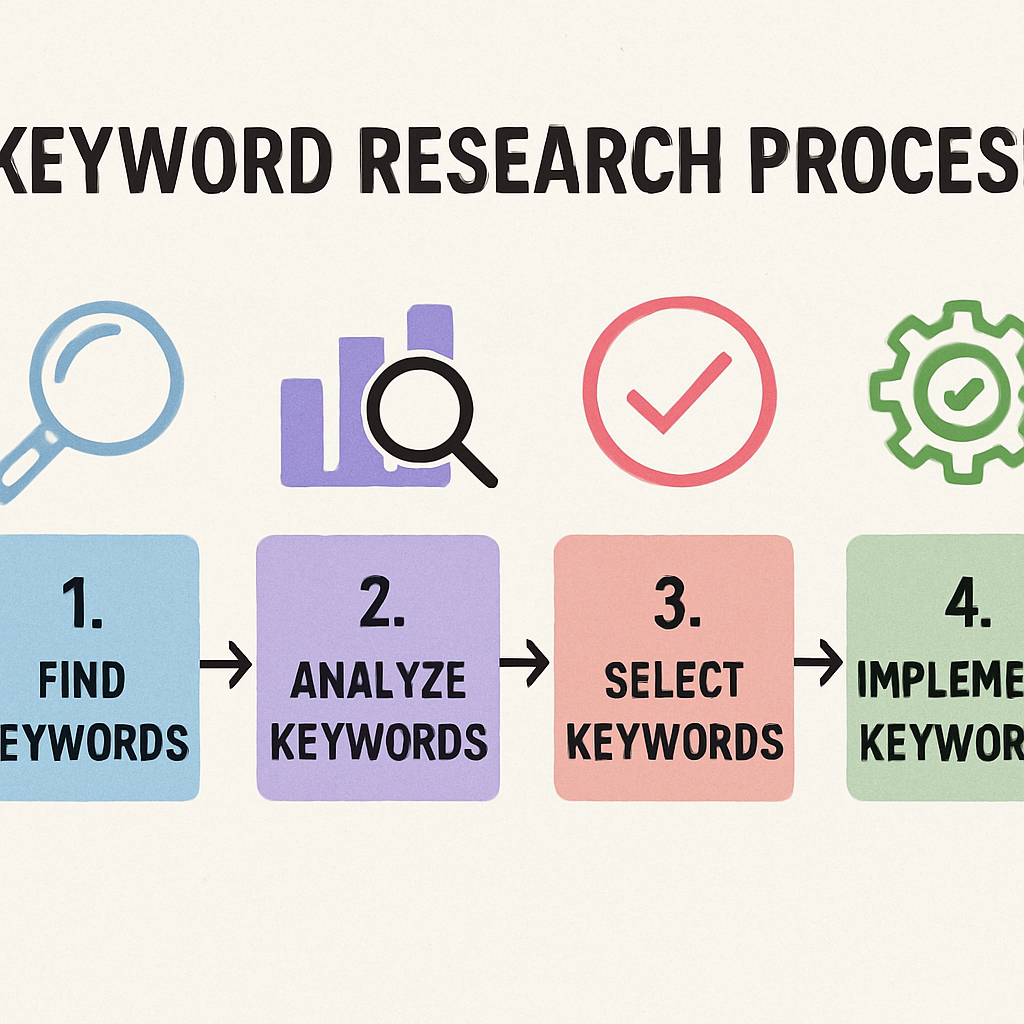
Keywords are the foundation of any PPC campaign. Conduct thorough research to identify the most relevant and high-performing keywords for your business. Tools like Google Keyword Planner can help you discover keywords that potential customers use when searching for products or services like yours.
Understanding Keyword Intent
Delve into understanding the intent behind keywords. Are users looking for information, or are they ready to make a purchase? By categorizing keywords based on user intent, you can tailor your ad copy and landing pages to better meet the needs of your audience, improving conversion rates.
Long-Tail Keywords
Consider incorporating long-tail keywords into your strategy. These are more specific phrases that, although they may have lower search volumes, often lead to higher conversion rates as they attract users who are further along the buying cycle. This specificity helps in capturing niche markets effectively.
Competitor Analysis
Analyze your competitors’ keyword strategies. Understanding which keywords your competitors are targeting can provide insights into market trends and reveal potential gaps in your own strategy. This analysis can inform your bidding strategy and help you identify opportunities to differentiate your offerings.
3. Create Compelling Ads
Your ads should be attention-grabbing and relevant to the keywords you’ve chosen. Craft clear and compelling headlines and descriptions that resonate with your audience. Remember, the goal is to entice users to click your ad and visit your website.
Crafting Effective Headlines
Headlines are the first thing users see and play a critical role in catching their attention. Use strong action words and address the user’s needs directly. A well-crafted headline can significantly improve your click-through rate by making your ad stand out in a crowded space.
Ad Copy Best Practices
Your ad copy should be concise yet informative, highlighting the unique selling points of your product or service. Use power words and emotional triggers to engage users and include a clear call-to-action (CTA) that prompts the desired response from your audience.
Utilizing Ad Extensions
Take advantage of ad extensions to provide additional information and enhance your ads. Extensions such as sitelinks, callouts, and location details can improve your ad’s visibility and click-through rates by making it more useful to potential customers.
4. Set a Budget
Determine how much you’re willing to spend on your PPC campaign. Start with a daily budget that aligns with your overall marketing goals and adjust as needed based on performance. Keep in mind that PPC is an investment, and spending wisely can yield significant returns.
Budget Allocation Strategies
Consider different budget allocation strategies such as spreading your budget evenly across campaigns or focusing more on high-performing keywords. Experiment with various approaches to determine which strategy yields the best ROI for your specific business objectives.
Monitoring and Adjusting Budgets
Regularly monitor your spending and campaign performance to identify opportunities for budget adjustments. By reallocating funds from underperforming areas to those that are generating higher returns, you can optimize your campaign efficiency and ensure maximum impact.
Understanding Bid Strategies
Familiarize yourself with different bidding strategies available in PPC platforms, such as manual CPC, enhanced CPC, and automated bidding. Each strategy has its pros and cons, and understanding them will help you choose the best approach for your campaign goals and budget constraints.
PPC Campaign Management
Running a PPC campaign is not a “set it and forget it” strategy. Continuous management and optimization are crucial for maximizing ROI.
Monitor Performance
Regularly review your campaign’s performance metrics, such as click-through rates (CTR), conversion rates, and cost per conversion. These insights will help you identify what’s working and what needs improvement.
Analyzing Key Metrics
Dive deep into key performance metrics to gain a comprehensive understanding of your campaign’s effectiveness. Metrics such as Quality Score, Ad Position, and Return on Ad Spend (ROAS) provide valuable insights into areas that may require optimization or strategic shifts.
Real-Time Tracking Tools
Utilize real-time tracking tools to monitor your campaign’s performance as it unfolds. These tools provide instant feedback and allow for swift adjustments, ensuring that your campaigns remain agile and responsive to changing market conditions.
Reporting and Insights
Generate detailed reports to identify trends and patterns in your campaign performance. Regular reporting not only helps in tracking progress but also in communicating results to stakeholders, demonstrating the value and impact of your PPC efforts.
Optimize for Better Results
Make data-driven decisions to optimize your campaign. Experiment with different ad copies, keywords, and landing pages to improve performance. A/B testing can be a valuable tool in determining which elements resonate best with your audience.
A/B Testing Techniques
Implement A/B testing to compare different versions of your ads and landing pages. This testing method helps in isolating variables and understanding which elements drive better engagement and conversions, enabling more informed optimization decisions.
Continuous Improvement
Adopt a mindset of continuous improvement by regularly reviewing and refining your PPC strategies. Even small tweaks to ad copy, keyword selection, or bidding strategies can lead to substantial performance gains over time.
Leveraging Audience Insights
Use audience insights to refine your targeting and ad messaging. Understanding your audience’s behavior, preferences, and pain points can guide the development of more personalized and effective ad campaigns, resulting in higher engagement and conversion rates.
Adjust Your Strategy
As your campaign progresses, be prepared to adjust your strategy. If certain keywords are not performing well, consider reallocating your budget to better-performing ones. Flexibility is key to achieving the best possible results.
Adaptive Strategy Planning
Adopt an adaptive strategy planning approach that allows for flexibility and quick adjustments. This adaptability enables you to respond to shifts in consumer behavior, market trends, and competitive landscapes, ensuring sustained campaign success.
Competitive Landscape Analysis
Continuously analyze the competitive landscape to identify new opportunities and threats. By understanding your competitors’ strategies, you can adjust your own approach to maintain a competitive edge and capitalize on emerging market trends.
Proactive Budget Management
Be proactive in managing your PPC budget by regularly evaluating your spending against performance outcomes. This proactive approach ensures that resources are allocated effectively, maximizing ROI and preventing overspending on underperforming areas.
Benefits of Using PPC Marketing Services

by Clemens van Lay (https://unsplash.com/@clemensvanlay)
Partnering with a reputable PPC marketing service provider can offer numerous advantages:
Expertise and Experience
Professional PPC agencies have the expertise and experience to create and manage effective campaigns. They understand industry trends, best practices, and how to leverage tools to maximize your ROI.
Navigating Complex Platforms
PPC platforms can be complex and constantly evolving. Experienced agencies have the knowledge to navigate these platforms efficiently, implementing advanced strategies and techniques that maximize campaign effectiveness and drive superior results.
Strategic Planning and Execution
Agencies bring a strategic approach to campaign planning and execution. Their expertise allows for the development of comprehensive strategies that are tailored to your business goals, ensuring that every aspect of your campaign is designed to achieve maximum impact.
Continuous Learning and Innovation
PPC agencies stay at the forefront of industry developments, continually learning and innovating to keep their strategies effective. This commitment to ongoing education ensures that your campaigns benefit from the latest tools, technologies, and best practices.
Time-Saving
Managing PPC campaigns can be time-consuming. By outsourcing this task, you free up valuable time to focus on other aspects of your business while experts handle the intricacies of PPC management.
Efficient Resource Allocation
Outsourcing PPC management allows businesses to allocate their internal resources more efficiently. By entrusting experts with campaign management, your team can focus on core business functions that drive growth and innovation.
Quick Adaptation to Changes
Agencies have the capacity to quickly adapt to changes in market conditions or platform updates. This agility ensures that your campaigns remain effective and competitive, even in a fast-paced digital landscape.
Stress Reduction for Business Owners
For business owners, managing PPC campaigns can be stressful and overwhelming. By partnering with a professional agency, you alleviate this burden and gain peace of mind, knowing that your marketing efforts are in capable hands.
Access to Advanced Tools
PPC agencies have access to advanced tools and software that provide in-depth insights and analytics. This technology enables them to make informed decisions and optimize campaigns for better results.
Cutting-Edge Analytics
Advanced analytics tools provide agencies with detailed insights into campaign performance, audience behavior, and market trends. This data-driven approach enables precise targeting and optimization, leading to improved campaign outcomes.
Automation and Efficiency
Agencies leverage automation tools to streamline campaign management processes. Automation enhances efficiency by handling repetitive tasks, allowing experts to focus on strategy development and performance optimization.
Comprehensive Reporting
With access to sophisticated reporting tools, agencies can provide clients with comprehensive insights into campaign performance. These reports offer transparency and help in understanding the direct impact of PPC efforts on business objectives.
Real-World Success Stories
Many businesses have achieved remarkable success through PPC marketing services. For instance, a small e-commerce company increased its sales by 200% within three months by partnering with a PPC agency. By targeting specific keywords and optimizing their ads, they reached a broader audience and saw a significant boost in conversions.
Transforming Small Businesses
Small businesses often struggle with limited marketing budgets and resources. PPC offers them a powerful tool to compete with larger enterprises by providing targeted visibility and measurable results, as demonstrated by numerous success stories across various industries.
Scaling Established Brands
Established brands can leverage PPC to scale their operations and explore new markets. By utilizing advanced targeting options and strategic ad placements, these brands can maintain their market dominance and reach new customer segments effectively.
Industry-Specific Success
PPC marketing has proven successful across diverse industries, from retail and e-commerce to healthcare and finance. By tailoring strategies to the specific needs and challenges of each industry, businesses can achieve significant growth and enhanced brand presence.
Conclusion
In summary, PPC marketing services are a powerful tool for businesses looking to enhance their online presence and drive growth. With the ability to target specific audiences, control budgets, and achieve measurable results, PPC is a valuable addition to any marketing strategy. By following best practices and continually optimizing your campaigns, you can maximize your ROI and achieve your business goals.
Whether you’re new to PPC or looking to refine your existing strategy, the key to success lies in careful planning, ongoing management, and the willingness to adapt. Embrace the potential of PPC marketing services and watch your business thrive in the digital world.
Embracing Innovation
As the digital marketing landscape continues to evolve, embracing innovative strategies and technologies will be crucial for maintaining competitive advantage. Stay open to new ideas and approaches, and don’t hesitate to experiment with emerging PPC trends.
Commitment to Continuous Improvement
Commit to a culture of continuous improvement by regularly evaluating your PPC efforts and seeking areas for enhancement. This commitment will not only drive better results but also ensure that your business remains agile and responsive to changing market dynamics.
Building Long-Term Relationships
Finally, building long-term relationships with trusted PPC partners can provide ongoing value and support. By fostering collaborative partnerships, you can leverage the expertise and resources of seasoned professionals, ensuring sustained success in your PPC endeavors.
{{ include_custom_fonts({“Onest”:[“Regular”],”Satoshi”:[“Black”]}) }}