In today's digital age, small businesses must embrace digital marketing to thrive. It's no longer optional but essential.
Digital marketing levels the playing field, allowing small businesses to compete with larger companies. It offers cost-effective ways to reach a broad audience.
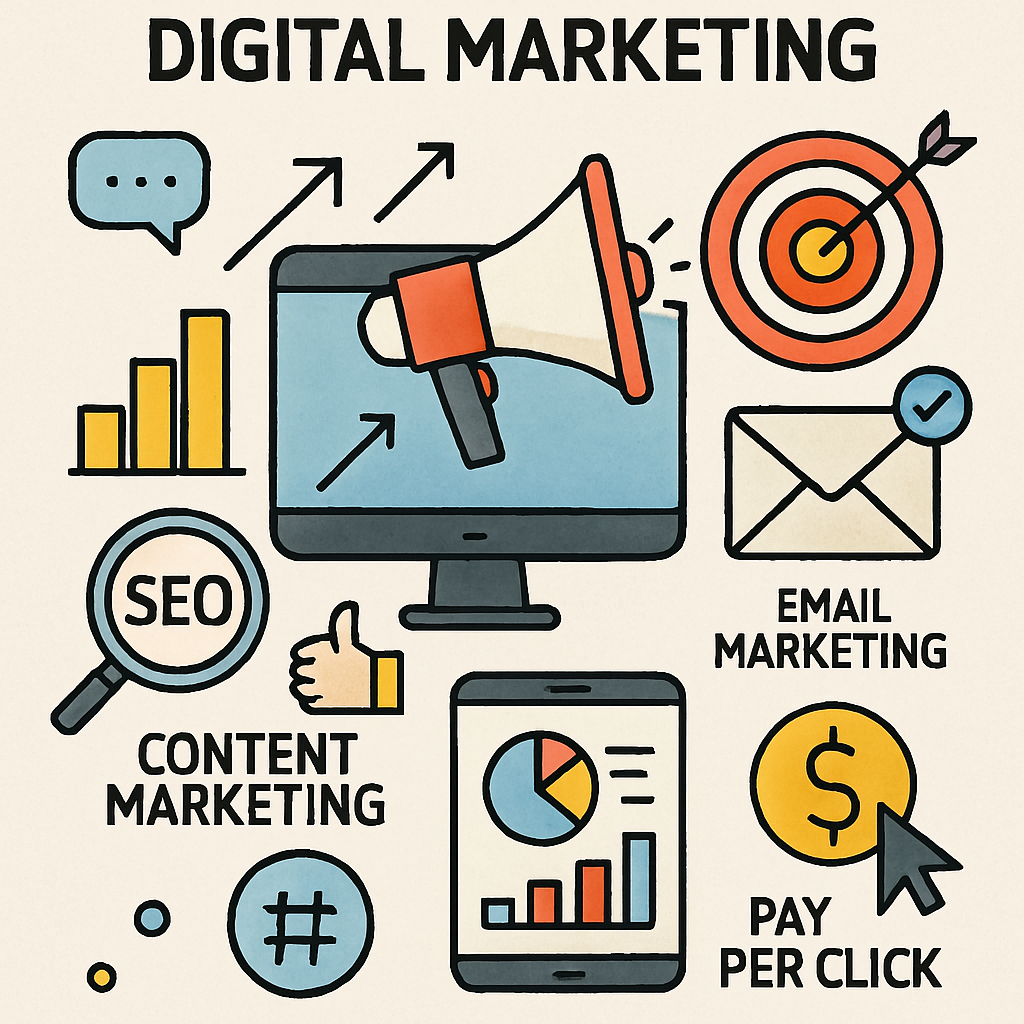
Social media marketing is a powerful tool. It connects businesses with customers and builds brand loyalty.
SEO is another crucial component. It improves visibility on search engines, driving more traffic to your website.
Content marketing engages and educates your audience. It establishes your business as an authority in your industry.
Email marketing nurtures leads and retains customers. It's a direct line to your audience, fostering long-term relationships.
PPC advertising drives targeted traffic to your site. It ensures your business reaches the right people at the right time.
Influencer marketing expands your reach and credibility. Partnering with influencers can introduce your brand to new audiences.
Understanding these strategies is vital for small business success. This guide will explore effective digital marketing strategies tailored for small businesses.
Summary
Small businesses can grow and compete by combining cost-effective channels—SEO, content, social media, email, PPC, and influencer partnerships—built on a strong, consistent online presence. Success depends on understanding your audience, optimizing for mobile and local search, and cultivating trust through reviews and reputation management. Use analytics, A/B testing, and automation to measure, refine, and scale, guided by clear goals and a flexible plan. Staying current with trends ensures ongoing relevance, traffic, and customer loyalty.
Why Digital Marketing Matters for Small Businesses
Digital marketing is crucial for small businesses in today's competitive landscape. It offers powerful tools to reach and engage target audiences.
Traditional marketing methods can be costly and less effective. Digital marketing provides a cost-efficient alternative with measurable results.
Small businesses can leverage digital marketing to boost their online visibility. This increased exposure can lead to higher traffic and, eventually, more sales.
A strong online presence builds brand credibility and trust. Consumers often research products online, making it vital for brands to be seen.
Benefits of digital marketing for small businesses include:
- Cost-effective outreach
- Measurable and data-driven results
- Enhanced brand visibility and credibility
- Direct and personalized communication with the audience
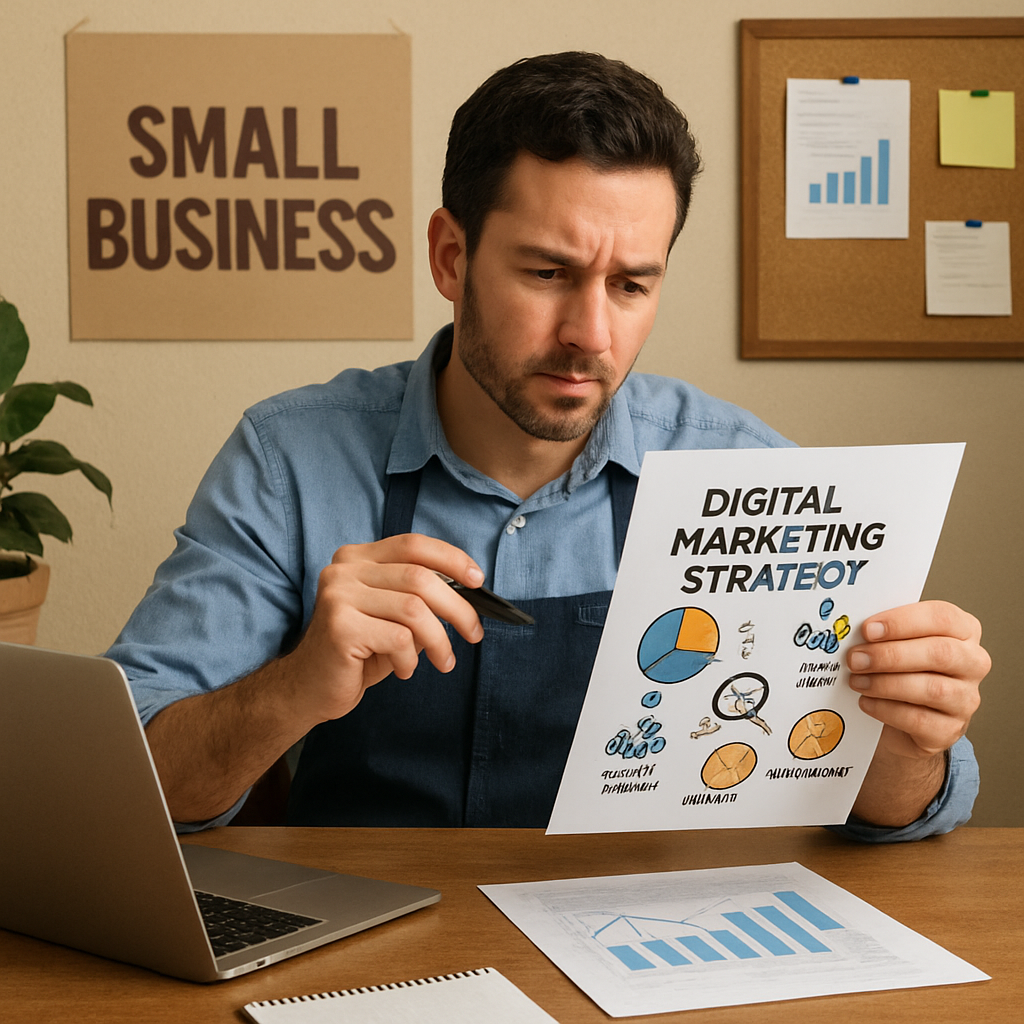
Digital marketing allows small businesses to engage their audience directly. Personalized messages can lead to stronger customer relationships.
It empowers businesses to adapt quickly to changing trends and consumer preferences. This adaptability is essential for long-term growth and success.
By embracing digital marketing strategies, small businesses can compete effectively with larger enterprises. It's a vital element for growth and sustainability.
Understanding Your Target Audience
Knowing your target audience is crucial for effective digital marketing. It helps tailor strategies to meet their specific needs and preferences.
Market research is the first step in identifying your audience. Gather insights about their age, gender, location, and purchasing habits. This data forms the foundation of your marketing strategy.
Creating customer personas can help visualize your audience. They represent the traits of different segments within your target market. Here's how to start:
- Identify demographic characteristics such as age, gender, and income
- Understand psychographics, including interests and lifestyle
- Determine their problems and how your product or service solves them
Understanding your audience allows for personalized content. Personalization enhances engagement and connection with your brand.
Lastly, listen to feedback from your audience. This information is invaluable in refining strategies and improving results. Being responsive to their needs builds loyalty and trust over time.
By aligning your approach with audience expectations, your digital marketing efforts become more effective and impactful. Remember, the better you know your audience, the better you can serve them.
Building a Strong Online Presence
A robust online presence is essential for small businesses. It helps you reach and engage with your target audience effectively.
Start by creating a well-designed website. Your website acts as the central hub of your online presence. Ensure it's user-friendly and mobile-responsive.
Optimize your website for search engines to increase visibility. Use relevant keywords and create high-quality content that matches your audience's interests.
Consistency across all digital platforms is key to building your brand. This means using the same logos, colors, and messaging. Here are some steps to achieve this:
- Maintain a consistent brand voice and tone
- Use uniform design elements across platforms
- Update your profiles regularly and keep information current
Embrace social media to connect with your audience in real-time. Engage with customers, respond to their queries, and build a community around your brand.
Finally, monitor your online reputation. Regularly check reviews and feedback. Address negative comments promptly to maintain a positive public image.
A strong online presence not only boosts brand awareness but also sets the stage for trust and customer loyalty.
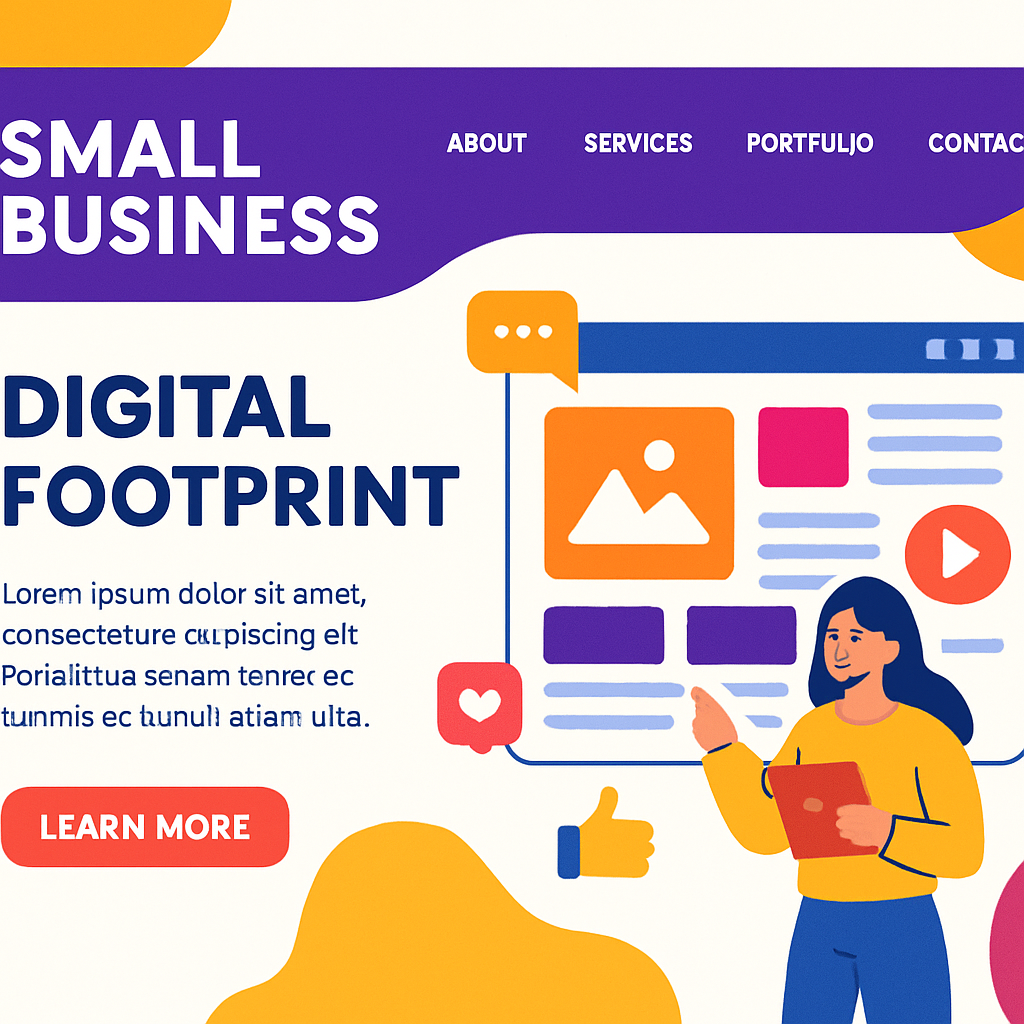
Search Engine Optimization (SEO) for Small Business
SEO is a critical component in digital marketing. It helps improve your website's visibility on search engines like Google.
Search engines are crucial for driving organic traffic to your site. Start by researching keywords relevant to your business and industry.
Consider long-tail keywords. They are more specific and often less competitive, allowing small businesses to rank higher.
On-page SEO focuses on optimizing individual pages. Ensure your title tags, headers, and meta descriptions include your primary keywords.
- Use relevant keywords throughout your content
- Optimize images with descriptive alt text
- Ensure fast page loading times to improve user experience
Off-page SEO is about building your website's authority. Building quality backlinks is key. They signal to search engines that your content is valuable.
- Reach out to industry blogs for guest posting opportunities
- Collaborate with influencers who can link back to your site
- Participate in online forums and include your website link
Local SEO helps attract nearby customers. Create and maintain a Google My Business profile. This improves visibility in local search results.
SEO is not a one-time task. Regularly update your content and keywords to keep up with trends and changes.
Analytics tools are essential for measuring your SEO success. They help you see what works, allowing you to refine your strategies.
Implementing effective SEO can greatly enhance your online presence. It drives traffic and fosters growth.
 by Logan Voss (https://unsplash.com/@loganvoss)
Content Marketing: Engaging and Educating Your Audience
Content marketing is a powerful tool for small businesses. It helps build authority and engage with your audience on a deeper level.
Creating valuable content is key to attracting and retaining customers. Your content should educate, inform, or entertain your target audience.
Start by understanding what your audience needs and wants. Produce content that addresses these needs and solves their problems.
Examples of content formats include:
- Blog posts and articles
- Videos and podcasts
- Infographics and ebooks
Storytelling is effective in content marketing. It creates emotional connections and makes your brand memorable. Share stories about your company, products, or customers.
Visual content increases engagement. Combine quality visuals with informative text to capture interest.
Consider the following:
- Use high-quality images and videos
- Design easy-to-read infographics
- Create captivating headlines and introductions
Regularly update your content. Keep it fresh and relevant to stay ahead of competitors. A content calendar can help you plan and organize your efforts.
Promote your content across different channels. Share it on social media platforms and in newsletters. Expand your reach by collaborating with industry influencers.
Measure your content's performance using analytics tools. This helps you understand what resonates with your audience.
Optimize your future content based on insights. This cycle of creation, promotion, and analysis ensures your content marketing remains effective.
 by Shunya Koide (https://unsplash.com/@shunyakoide)
Social Media Marketing: Connecting with Customers
Social media marketing is essential for engaging with your audience. It allows small businesses to connect with customers in real-time.
Social platforms offer cost-effective ways to reach wide audiences. It's crucial to choose the right platforms based on where your audience spends time.
Each platform has unique features. Consider the content type that performs best on each one. For example, Instagram excels with visuals, while LinkedIn focuses on professional content.
Core benefits of social media marketing include:
- Increasing brand awareness
- Building customer loyalty
- Driving website traffic
To begin, craft a social media strategy aligned with your business goals. Define your brand voice and messaging to maintain consistency.
Content variety enhances engagement. Rotate between posts, stories, and live videos. Mix promotional content with educational and entertaining pieces.
When planning content, consider:
- Showcasing behind-the-scenes operations
- Highlighting customer success stories
- Hosting interactive Q&A sessions
Social media is also an excellent customer service channel. Respond promptly to messages and comments. Engage in conversations to build relationships and trust.
Another tool at your disposal is social media advertising. These paid efforts can extend your reach and target specific demographics effectively.
Analytics is essential to refine your strategy. Evaluate metrics like engagement, reach, and conversion rates. These insights guide future efforts and adjustments.
Stay informed about social platform updates. Social media is ever-evolving, and staying current keeps your strategy effective.
 by Karsten Winegeart (https://unsplash.com/@karsten116)
Email Marketing: Nurturing Leads and Retaining Customers
Email marketing remains a powerful tool for small businesses. It allows direct communication with your audience, fostering a personal touch. Building an email list is essential for reaching potential and existing customers.
Creating valuable and engaging content is key to successful email campaigns. Offer content that addresses customer needs and interests. Segmentation helps tailor your messages to different audience segments.
Consider these strategies when developing your email marketing:
- Personalize subject lines to increase open rates
- Use clear and compelling calls-to-action
- Incorporate visuals to enhance message appeal
Automation streamlines email marketing tasks. Auto-responders manage welcome emails, reminders, and follow-ups efficiently. This ensures timely communication without manual effort.
Measuring the success of email campaigns is crucial. Track key metrics like open rates, click-through rates, and conversions. These insights help refine your approach and improve outcomes.
Email marketing also excels in customer retention. Regular newsletters keep your brand top of mind. Share updates, promotions, and valuable tips to retain interest.
Designing email templates that are mobile-friendly is vital. Many users check emails on their smartphones. Ensure content displays correctly across devices.
By focusing on customer needs and preferences, email marketing can be a nurturing and profitable channel for small businesses.
 by Helena Lopes (https://unsplash.com/@helenalopesph)
Pay-Per-Click (PPC) Advertising: Driving Targeted Traffic
PPC advertising offers a direct route to potential customers. It allows businesses to target specific demographics based on interests, behaviors, and location. Small businesses can benefit from the instant visibility PPC provides.
Budget control is a significant advantage of PPC. You can set daily or monthly limits to ensure spending remains within your means. This flexibility is crucial for small businesses with tight budgets.
To make the most of PPC advertising, consider these tips:
- Research and select relevant keywords
- Create compelling ad copy with clear benefits
- Use landing pages designed for conversion
A/B testing can optimize PPC campaigns. By experimenting with different ad variations, small businesses can discover what resonates best with their audience. This leads to improved click-through and conversion rates.
Monitoring performance metrics is essential. Analyze data such as click-through rates, cost per click, and return on ad spend. These insights help refine strategies and allocate resources more effectively.
PPC, when used wisely, can drive quality traffic and generate leads quickly. It's a powerful addition to any small business's digital marketing strategy.
 by M. Cooper (https://unsplash.com/@mcoopercreative)
Influencer and Partnership Marketing
Influencer and partnership marketing can expand a small business's reach significantly. By collaborating with influencers, brands can tap into established audiences. This approach builds credibility and trust through authentic endorsements.
Selecting the right influencer is key. Look for individuals whose values align with your brand. This ensures genuine connections with their followers. Micro-influencers, with smaller but engaged audiences, can be particularly effective for niche markets.
Consider these benefits of partnership marketing:
- Expanded audience reach through shared platforms
- Enhanced credibility by association with trusted influencers
- Increased engagement with niche target groups
Building strong partnerships requires clear goals and communication. Collaborate on content that highlights your products or services naturally. This approach resonates more with audiences than overt advertisements.
Measuring the success of these campaigns is crucial. Analyze engagement rates, new followers, and sales attributed to partnerships. This data informs future influencer collaborations, ensuring better alignment and outcomes. Influencer marketing, done right, can significantly boost a small business's presence and credibility.
Leveraging Analytics and Data for Better Results
Analytics tools provide invaluable insights for small businesses. By analyzing data, businesses can refine their marketing strategies. This leads to more effective and targeted campaigns.
Start by tracking key performance indicators (KPIs). These might include website traffic, conversion rates, and customer engagement. Understanding these metrics helps in identifying strengths and areas for improvement.
 by Luke Chesser (https://unsplash.com/@lukechesser)
Consider the following benefits of using analytics:
- Identifying trends and shifts in customer behavior
- Measuring the return on investment (ROI) of marketing efforts
- Informing data-driven decision-making for strategic planning
Regularly review your analytics to stay informed. This enables quick adjustments to marketing tactics. For example, if a social media post drives high traffic, consider similar content strategies.
Additionally, use A/B testing to determine which marketing variations perform better. This involves testing different elements, such as email subject lines or ad images, to maximize effectiveness. Leveraging analytics not only boosts marketing efficiency but also enhances overall business growth.
Mobile Optimization and Local SEO
Mobile optimization is key in digital marketing for small business growth. More consumers access websites via smartphones. A mobile-friendly site enhances user experience and engagement.
To optimize for mobile, ensure your website loads quickly and efficiently. Use responsive design so it adjusts to different screen sizes. Simplify navigation to make it easy for mobile users.
 by Glen Carrie (https://unsplash.com/@glencarrie)
Local SEO helps attract customers in your region. Optimize for local search to enhance visibility. By focusing on local keywords, you reach nearby potential clients.
Consider these strategies for local SEO:
- Claim and update your Google My Business profile
- Encourage customer reviews and respond promptly
- Use local keywords in content and metadata
Local customers often search for services or products near them. Appearing in these searches can drive foot traffic and sales. Moreover, ensure your contact information is consistent across all platforms. This reliability boosts your local search presence. Integrating mobile optimization and local SEO can strengthen your digital footprint, crucial for small business success.
Building Trust: Reviews, Testimonials, and Online Reputation
Building trust is vital for small businesses striving for online success. Potential customers look for social proof before making decisions. Reviews and testimonials play a critical role in establishing credibility.
Encourage happy customers to leave positive reviews. These reviews can sway potential clients. A high number of positive reviews boosts consumer confidence significantly. Responding to reviews, both positive and negative, shows that you value customer feedback.
 by Esra Afşar (https://unsplash.com/@esraafsar)
Testimonials are another powerful tool. Showcase customer success stories on your website. Personal stories resonate well and can influence purchasing behavior. Consider featuring them in a dedicated section.
Online reputation management is crucial. Monitor your brand's mentions across social media and review sites. Address issues promptly to maintain a positive image. Keep these trust-building strategies in mind:
- Regularly update testimonial content on your site
- Engage actively with your audience on social platforms
- Use social listening tools to track brand mentions
By investing in these practices, you safeguard your business's reputation, fostering long-lasting trust with your audience.
Automation and Marketing Tools for Small Businesses
Small businesses face the challenge of limited resources. Leveraging automation tools can streamline repetitive tasks and free up valuable time. With automation, tasks like email marketing, social media posting, and customer service can be handled efficiently.
Marketing tools are essential for crafting successful strategies. They provide data insights and track performance metrics. Small businesses can use these insights to refine their approaches and optimize their campaigns.
 by UX Store (https://unsplash.com/@uxstore)
Consider using the following tools:
- Email automation platforms for consistent outreach
- Social media schedulers to plan posts effectively
- Analytics tools for detailed performance insights
Incorporating the right tools helps small businesses stay competitive. It allows them to focus more on creative and strategic initiatives, driving growth and success.
Creating a Digital Marketing Plan and Setting Goals
A well-defined digital marketing plan is crucial for any small business. It provides direction and helps align marketing efforts with business objectives. Setting specific, measurable goals is a critical first step.
Outline clear objectives to guide your strategy. Define what success looks like and the metrics to measure it. Having concrete targets ensures that your efforts are directed and purposeful.
Consider the following when setting marketing goals:
- Identify your target audience and their needs.
- Determine key performance indicators (KPIs) to track progress.
- Allocate a budget based on priority tasks and tools.
A comprehensive plan balances short-term wins with long-term vision. It enables a business to adapt to changes while staying on course.
Staying Ahead: Trends and Future-Proofing Your Strategy
The digital marketing landscape is always changing. Keeping pace with these changes is key for small businesses. Staying updated allows for more strategic adjustments.
It's essential to integrate current trends into your strategy. This includes adopting new technologies and communication platforms. Future-proofing your strategy ensures continued growth and relevance.
Consider these trends and tactics:
- Embrace video marketing to boost engagement.
- Optimize for voice search as more users rely on virtual assistants.
- Utilize AI tools for data analysis and customer insights.
Consistently evaluate and adapt your efforts to remain competitive. Emphasize innovation and flexibility to stay ahead. Adaptability is crucial for thriving in the digital marketing arena.
 by tommao wang (https://unsplash.com/@tommaomaoer)
Conclusion: Taking Action for Digital Success
Success in digital marketing requires deliberate effort. Implementing these strategies is crucial for small business growth. Embrace digital marketing to stay competitive and relevant.
Start by setting clear marketing goals. Measure your progress and adjust strategies as needed. Consistency and adaptability will pave the path to digital success. Remember, the digital landscape is ever-changing, and staying proactive is key. Take action now, and watch your business thrive online.