
In today's digital age, healthcare digital marketing is more important than ever. It helps healthcare providers connect with patients online.
Digital patient engagement is a key component. It involves using online tools to enhance patient experiences.
Healthcare social media platforms are powerful. They allow providers to build communities and share vital information.
Content marketing in healthcare focuses on delivering valuable and educational content. This helps patients make informed decisions.
SEO is crucial for healthcare websites. It ensures they appear in search results when patients seek medical information.
Email marketing keeps patients informed and engaged. It is an effective way to maintain communication.
Personalization in digital marketing enhances patient satisfaction. Tailored messages resonate more with individual patients.
Mobile optimization is critical. More patients access healthcare information via smartphones, making it essential for providers to adapt.
Summary
Healthcare digital marketing focuses on building a strong, patient-centric online presence through websites, SEO, content, and social media, reinforced by email automation, video, and mobile optimization. Personalization, local SEO, and proactive reputation management deepen engagement and trust. Telemedicine, portals, and mHealth tools expand access, while analytics and KPIs drive continuous improvement. All strategies must remain compliant and ethical, with attention to emerging technologies like AI and VR.
The Importance of Healthcare Digital Marketing Today
Healthcare digital marketing plays a pivotal role in modern healthcare. The landscape has shifted dramatically from traditional methods.
Patients now search online for health information and providers. They expect a seamless digital experience throughout their journey.
Digital marketing is not just about reaching patients. It's also about engaging them and building long-term relationships.
Successful healthcare providers understand the power of digital tools. These tools enhance patient interactions and improve satisfaction rates.
Consider these aspects of healthcare digital marketing:
- Reaches a wider audience across digital platforms
- Enhances communication through personalized content
- Supports public health by spreading awareness
Digital marketing tools also allow targeted outreach to specific demographics. This increases the effectiveness of marketing efforts.
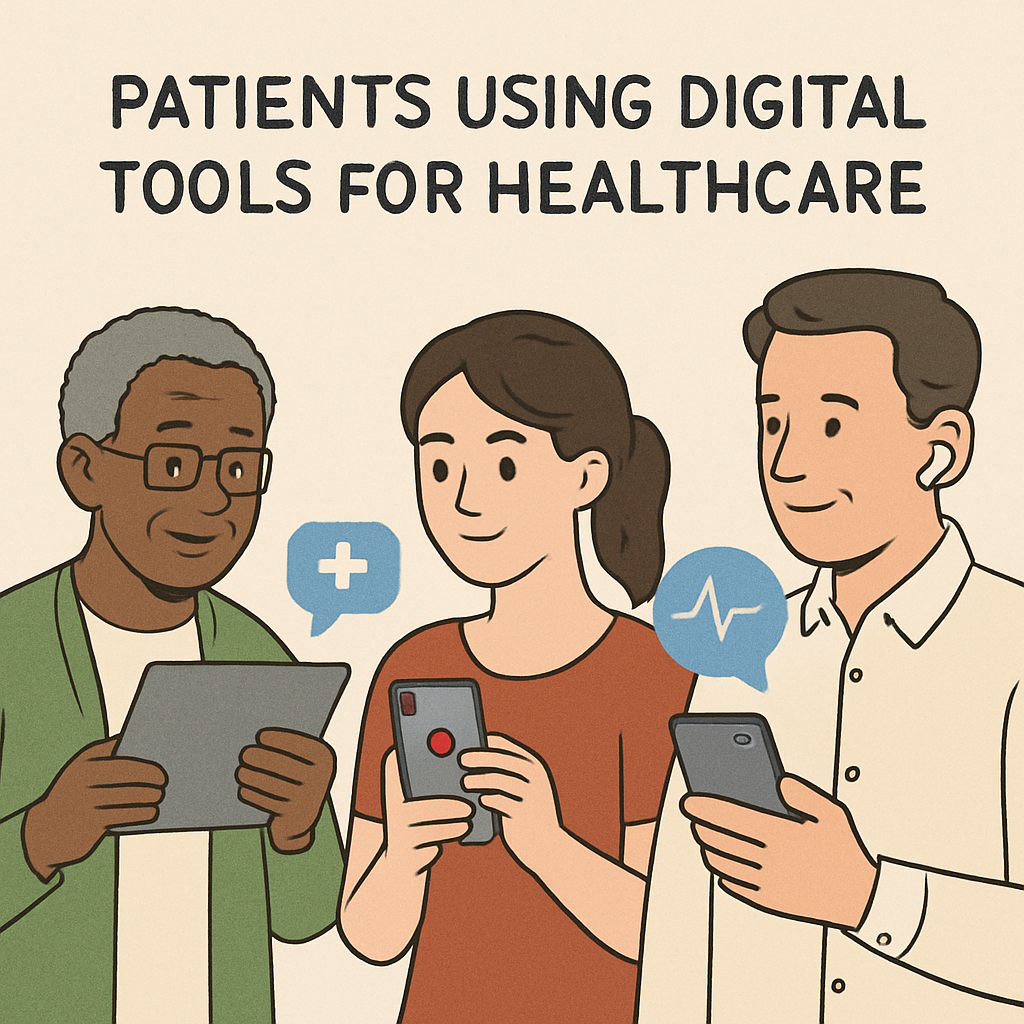
Patients today demand transparency and access to reliable information. Healthcare providers must meet these demands to stay relevant.
The digital approach allows for immediate feedback and interaction. It's a win-win for both providers and patients.
Building a Strong Online Presence for Healthcare Providers
A robust online presence is crucial for healthcare providers today. It begins with a well-designed, user-friendly website. This first interaction often shapes patient perceptions.
Websites must be easy to navigate and mobile-friendly. Most patients access information via smartphones. A clunky site can deter potential patients quickly.
Key elements of a strong online presence include:
- User-friendly website design
- Clear and concise information about services
- Engaging and educational content
Online presence extends beyond a website. Profiles on platforms like Google My Business enhance visibility. This is key for local patients searching for healthcare.
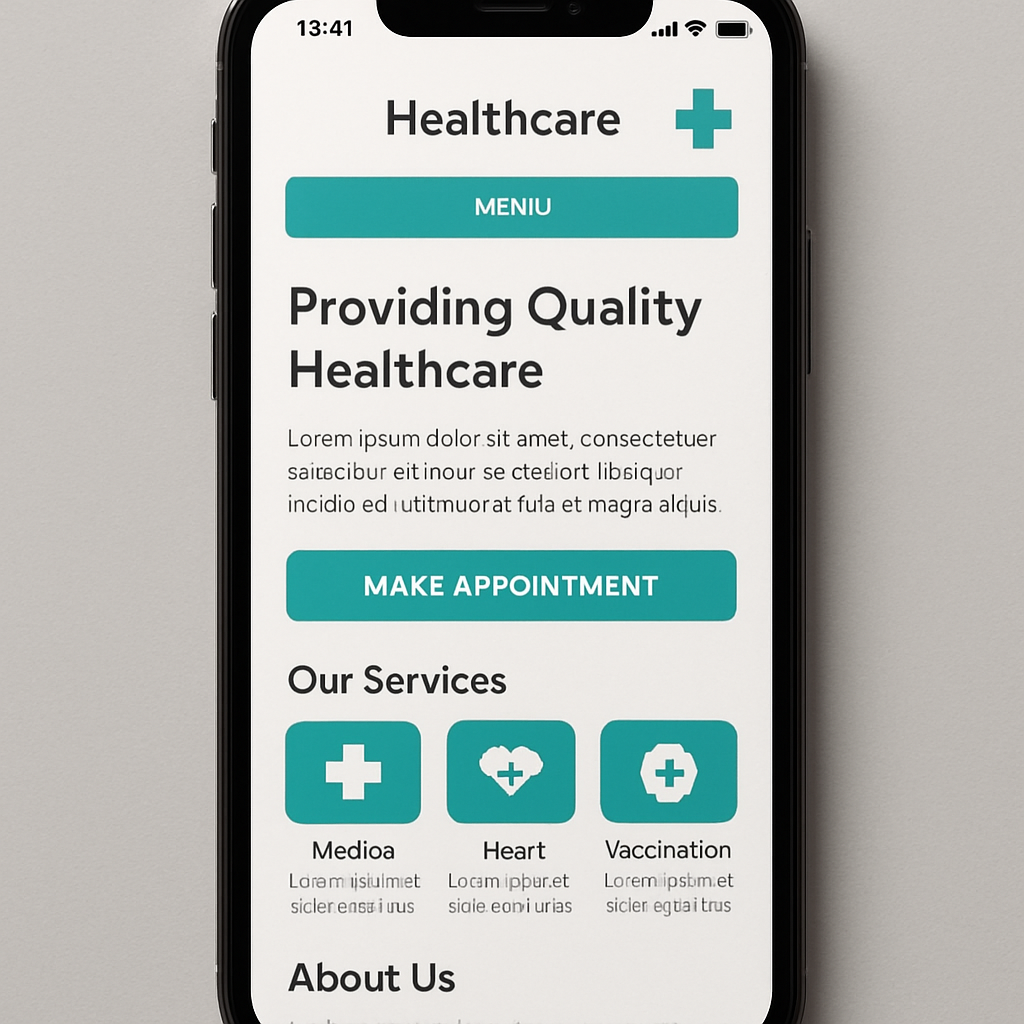
Engaging regularly with patients through blogs or newsletters can solidify relationships. Providing valuable content builds trust and reliability.
Healthcare providers should maintain an active presence on social media. It offers another channel to reach and interact with patients effectively. A consistent, professional online presence establishes credibility and attracts new patients.
Search Engine Optimization (SEO) for Healthcare
Search Engine Optimization (SEO) is vital for healthcare providers. A strong SEO strategy makes it easy for patients to find healthcare information online. This includes enhancing website visibility on search engines like Google.
Effective SEO begins with keyword research. Choosing relevant keywords, like "healthcare digital marketing" or "digital patient engagement," can drive targeted traffic. These keywords should be integrated naturally into website content.
Other important SEO elements include:
- Optimizing meta tags and titles
- Ensuring fast website load times
- Creating valuable, patient-oriented content
SEO also involves building backlinks from reputable sites. This increases website authority and helps boost search rankings. Engaging with local SEO strategies is equally crucial for healthcare providers.
 by Markus Winkler (https://unsplash.com/@markuswinkler)
Local SEO helps attract patients near the healthcare facility by optimizing for geographical searches. Managing online directories and patient reviews plays a significant role. Well-executed SEO not only improves visibility but also enhances patient trust. A comprehensive SEO approach can significantly bolster a healthcare provider's online presence and patient reach.
Content Marketing: Educating and Empowering Patients
Content marketing plays a crucial role in healthcare digital marketing. It educates patients, helping them make informed decisions about their health. This strategy emphasizes the creation and sharing of valuable content.
Healthcare providers should focus on developing a mix of content types. Blogs, articles, and infographics can convey complex medical information. Video content, such as tutorials and patient testimonials, can enhance understanding and trust.
Key components of effective content marketing include:
- Addressing patient needs and concerns
- Offering solutions to common health issues
- Promoting preventive health measures
Quality content must be accurate and authoritative. Collaborating with healthcare professionals ensures content reliability. This builds credibility and reassures patients about the information provided.
 by Usman Yousaf (https://unsplash.com/@usmanyousaf)
Content marketing should also be optimized for sharing. It enhances digital patient engagement when shared on healthcare social media platforms. Engaging content not only informs but also inspires patients to take proactive steps in managing their health. Content marketing is an excellent tool for fostering better patient-provider relationships.
Leveraging Healthcare Social Media for Patient Engagement
Healthcare social media platforms have transformed how providers connect with patients. These platforms offer unique opportunities for engagement and education. Through active social media presence, healthcare organizations can build trust and transparency.
Engaging patients on social media involves more than just posting updates. It requires meaningful interactions and real-time conversations. Responding to patient inquiries and comments fosters a sense of community.
Key practices for effective use of healthcare social media include:
- Sharing health tips and medical news
- Highlighting patient stories and testimonials
- Providing live updates during health events
Social media can humanize healthcare services by sharing authentic patient experiences. It also serves as a channel for public health initiatives and awareness campaigns. Visual content, like images and videos, further enhances engagement and reach.
 by Fotos (https://unsplash.com/@fotospk)
Consistency in posting and messaging across social media is crucial. It ensures the delivery of coherent information and sustains engagement. By leveraging these platforms, healthcare providers can effectively reach a broader audience and enrich digital patient engagement. Social media ultimately helps establish long-term relationships with patients, contributing to improved health outcomes.
Personalization and Patient-Centric Digital Strategies
In today's competitive healthcare landscape, personalization is a key differentiator. Tailoring digital strategies to meet individual patient needs enhances engagement. This approach fosters a more patient-centric experience.
Patients respond positively to content and communication that feels tailored. Personalized email campaigns and targeted content can significantly improve satisfaction. This also encourages patient loyalty.
A patient-centric digital approach often incorporates:
- Customized health tips and reminders
- Tailored educational content
- Personalized care plans and follow-ups
Employing data analytics aids in understanding patient preferences and behaviors. It allows healthcare providers to deliver more relevant content. This relevance increases patient involvement in their care journey.
Overall, personalization in digital marketing enriches the patient experience. It builds strong relationships between providers and patients. Implementing patient-centric strategies can improve healthcare outcomes and enhance patient satisfaction.
Email Marketing and Automation in Healthcare
Email marketing remains a powerful tool in healthcare. It allows providers to maintain regular communication with patients. Automated emails can keep them informed and engaged with minimal effort.
Healthcare organizations can automate routine emails like appointment reminders. Newsletters can also be automated to share health tips and updates. This ensures patients receive timely and relevant information.
Automation helps in segmenting email lists to target specific patient groups. By doing so, content can be customized according to patient needs. Personalized messages show patients that their healthcare provider values them.
An effective email marketing strategy might include:
- Appointment reminders and confirmations
- Health education newsletters
- Personalized wellness tips
When executed well, email marketing enhances patient relationships. It keeps patients engaged in their healthcare journey. This results in higher patient satisfaction and retention. With automation, these strategies become more efficient and impactful.
The Role of Video and Visual Content in Healthcare Marketing
Visual content has become a cornerstone of healthcare marketing. Videos, in particular, can communicate complex medical information simply. They offer dynamic ways to educate patients.
Patients are more likely to watch a short video than read long articles. This makes video an excellent tool for patient engagement. It can demonstrate procedures, explain conditions, or offer health tips.
Creating high-quality video content requires planning. Engaging visuals and clear messaging are essential. Such content should be optimized for mobile viewing as more patients access information via smartphones.
Consider these types of video content:
- Explainer videos on medical procedures
- Patient testimonials and success stories
- Health and wellness tips
 by Fotos (https://unsplash.com/@fotospk)
Visual elements like infographics also support patient understanding. They can break down statistics or present treatment options clearly. Integrating these tools boosts engagement and helps convey messages effectively.
Online Reviews, Reputation Management, and Trust Building
Online reviews significantly impact healthcare providers' reputations. Patients often rely on peer opinions when choosing a provider. Positive reviews can establish trust and credibility.
Reputation management involves actively monitoring and responding to patient feedback. Addressing negative reviews professionally can mitigate damage and demonstrate commitment to patient satisfaction. Public responses also shape how prospective patients perceive your practice.
Trust is a foundation of patient-provider relationships. Building trust online requires transparency and authenticity. Sharing real patient stories and successes can humanize your brand. Each interaction contributes to this trust-building process.
Effective strategies for managing online reputation include:
- Regularly monitoring review sites
- Encouraging satisfied patients to leave positive reviews
- Crafting respectful responses to feedback
 by Nappy (https://unsplash.com/@nappystudio)
In addition to reviews, maintaining an informative, user-friendly website fosters trust. Ensure your site offers valuable information and reflects your practice's values. With these efforts, healthcare providers can nurture patient relationships and enhance their digital presence.
Telemedicine, Virtual Care, and Digital Patient Engagement Tools
Telemedicine is transforming healthcare, making it more accessible and convenient. Patients can consult with providers without traveling, which is invaluable in rural areas.
Virtual care includes not only telemedicine but also online health portals. These portals empower patients to access records, schedule visits, and communicate with their healthcare team. Such access can improve patient satisfaction and adherence to treatment plans.
Digital patient engagement tools go beyond portals. They include mobile health apps and wearable devices, offering real-time health data and reminders. These tools encourage patients to take an active role in managing their health.
Benefits of digital patient engagement include:
- Enhanced patient autonomy
- Improved care coordination
- Increased patient adherence to treatment
 by Elen Sher (https://unsplash.com/@lenochka210292)
These technologies collectively improve healthcare delivery and patient experiences. Providers must integrate these tools while maintaining a patient-centric approach. By doing so, they can enhance patient outcomes and satisfaction, paving the way for a digitally enabled healthcare future.
Data Analytics and Measuring Digital Marketing Success
Data analytics is vital for evaluating digital marketing efforts. It helps healthcare providers refine strategies by understanding patient interactions and preferences. This understanding is necessary to tailor marketing efforts effectively.
By analyzing data, healthcare marketers can identify which strategies drive engagement and which don't. It's crucial to measure outcomes consistently to ensure marketing campaigns remain effective.
Key performance indicators (KPIs) such as website traffic, conversion rates, and patient retention are essential metrics. Tracking these KPIs offers insight into campaign performance and areas for improvement.
Common analytics tools and techniques include:
- Google Analytics for web traffic
- Social media insights for engagement metrics
- Surveys and feedback for patient satisfaction
Data-driven decisions help optimize resources and enhance patient engagement. As healthcare marketing evolves, continuous tracking and analysis are crucial. Adapting strategies based on analytics can lead to more successful marketing outcomes.
Compliance, Privacy, and Ethical Considerations in Healthcare Digital Marketing
In healthcare digital marketing, compliance with privacy regulations is crucial. Laws like HIPAA ensure patient data is safeguarded. Any marketing strategy must prioritize these legal frameworks.
Ethical marketing involves transparency and truthfulness. Patients should receive accurate information. Avoiding misleading claims ensures trust and credibility in healthcare communications.
Key considerations include:
- Protecting patient data
- Adhering to legal standards
- Ensuring transparency in messaging
Healthcare providers must navigate these complexities carefully. Failing to comply can damage reputation and lead to severe penalties. Therefore, ethical and compliant practices are non-negotiable in digital marketing efforts.
Future Trends and Continuous Improvement in Healthcare Digital Marketing
Healthcare digital marketing is continually evolving. New technologies and trends emerge regularly. Staying updated is essential for maintaining a competitive edge.
Future trends include the integration of AI and VR. These technologies enhance patient experiences. They offer unique opportunities for interaction and education.
To ensure continuous improvement, healthcare marketers should:
- Monitor emerging technologies
- Invest in ongoing professional development
- Stay abreast of industry changes
By adopting future-ready strategies, healthcare providers can enhance patient engagement and satisfaction. This proactive approach fosters long-term success in digital marketing efforts.
Conclusion: Key Takeaways for Effective Healthcare Digital Marketing
In today's digital era, effective marketing is vital for healthcare providers. To thrive, implementing strategies focused on patient engagement is crucial.
Key takeaways include:
- Building a strong online presence
- Utilizing SEO to increase visibility
- Leveraging personalized and patient-centric approaches
These strategies ensure a patient-focused approach, fostering engagement and trust. By continuously adapting, healthcare marketers can maintain relevance and achieve success.